Culture Shock
Play Culture Shock
Culture Shock Screenshots



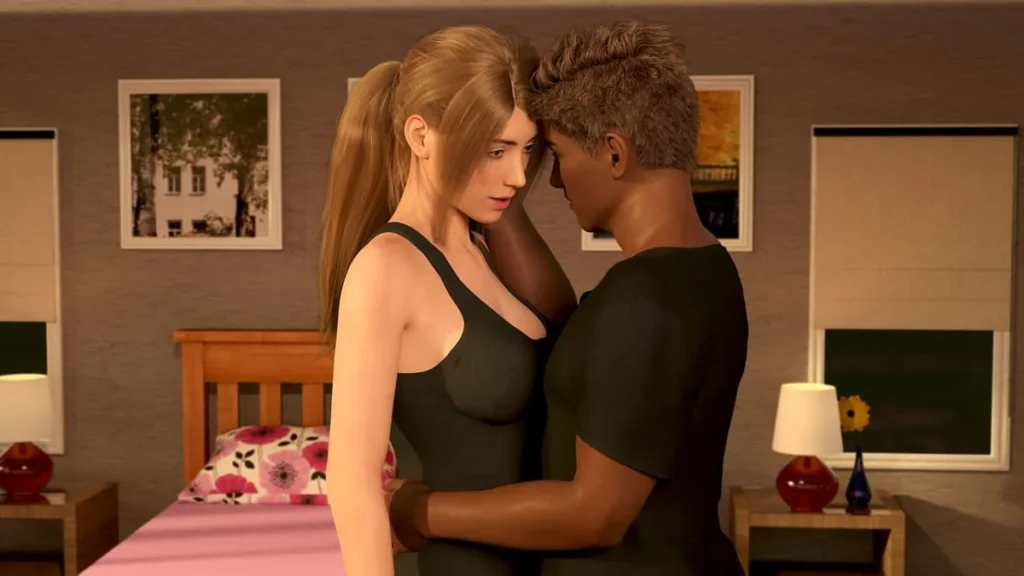
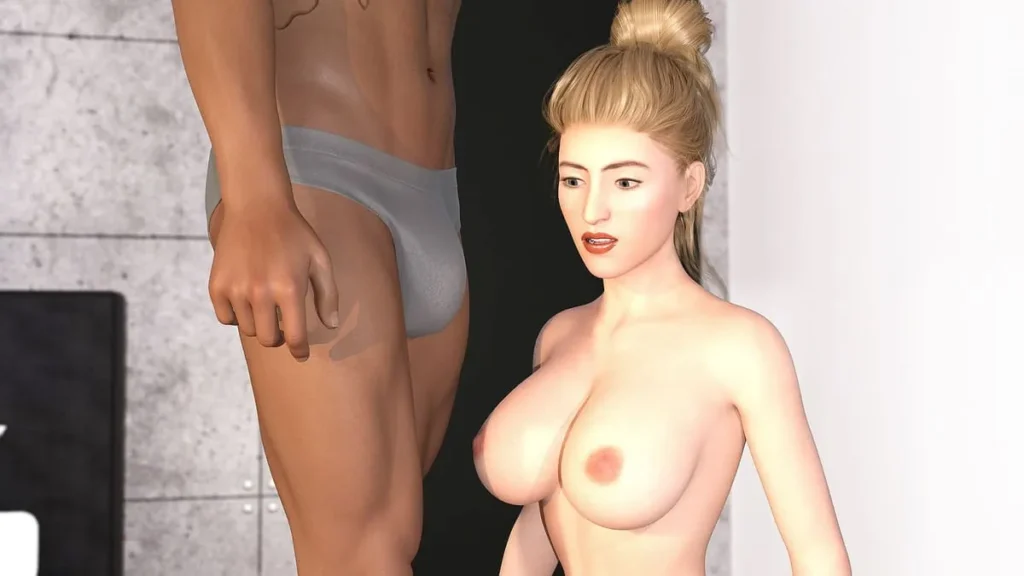

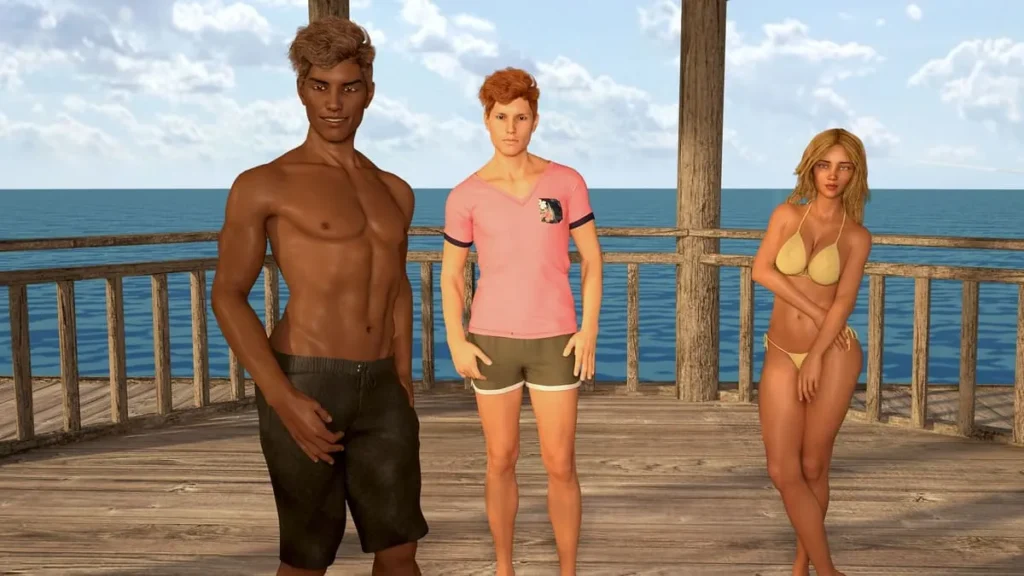


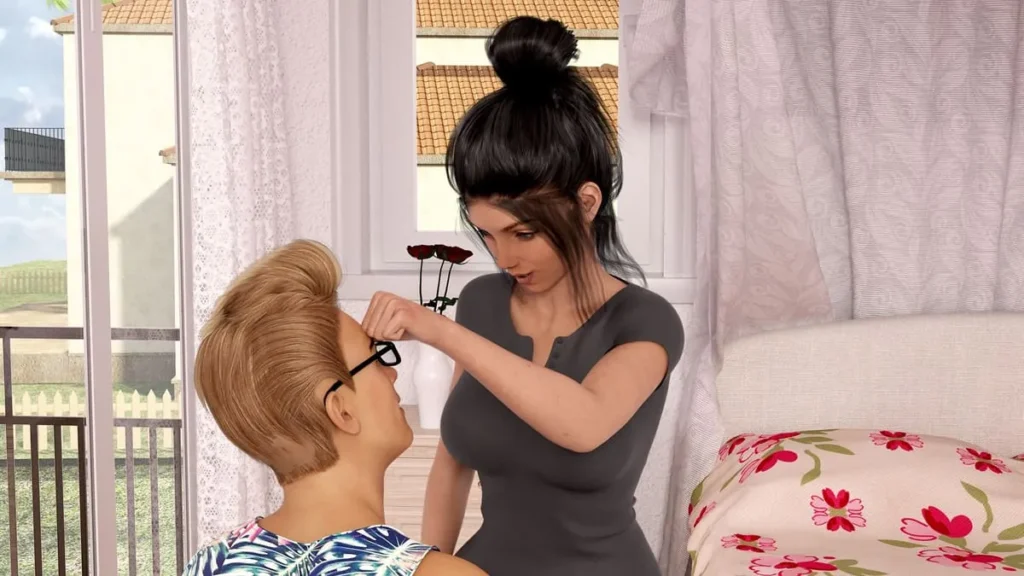
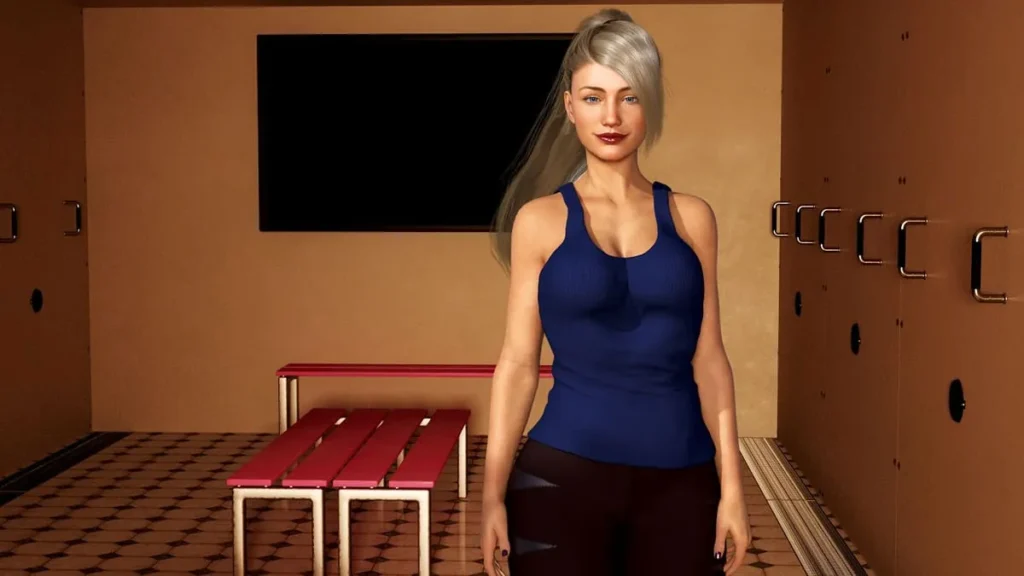

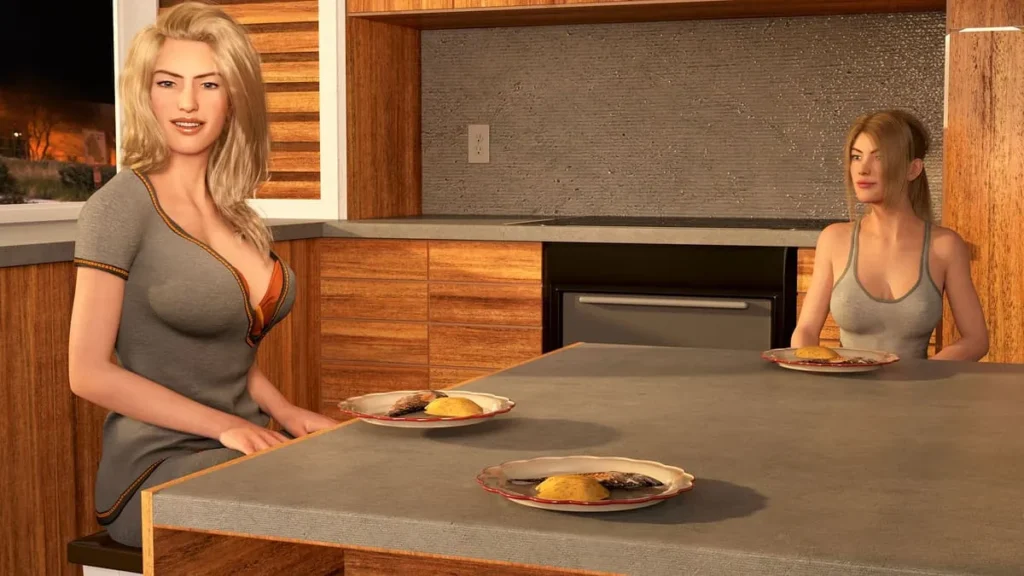
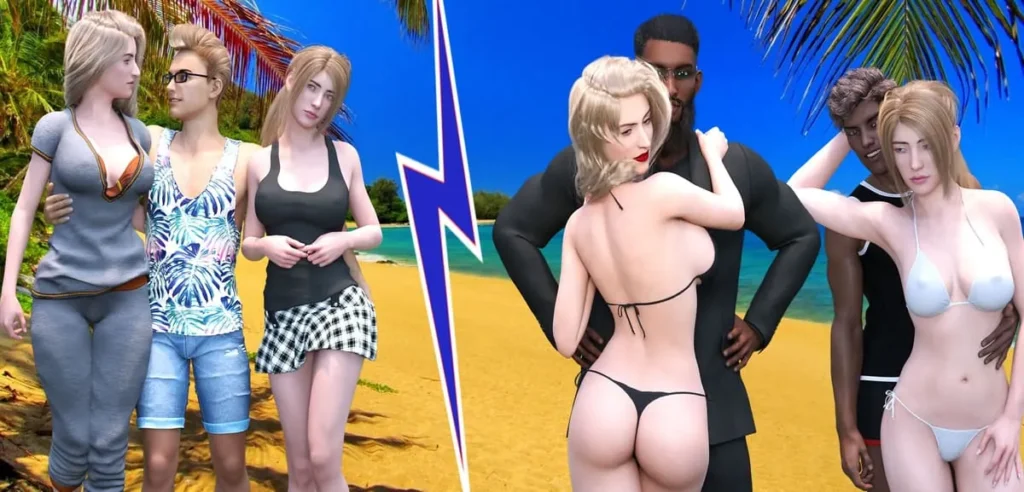
Culture Shock review
Explore the narrative, gameplay mechanics, and story elements of this indie visual novel experience
Culture Shock is a first-person visual novel developed by an independent creator that follows the journey of a protagonist named Jax who transitions from rural life to urban living. The game centers on Jax’s relocation to Honolulu, a modern metropolitan city, where he experiences significant cultural and personal transformation. This narrative-driven experience explores themes of adaptation, personal growth, and life choices as players navigate Jax’s new chapter. Understanding the game’s structure, storyline, and mechanics provides insight into how indie visual novels approach character-driven narratives and player agency.
Understanding Culture Shock: Game Overview and Core Narrative
Ever find yourself staring at a screen, scrolling through yet another storefront filled with flashy, big-budget titles, and just feeling… disconnected? 🤔 You’re not alone. Sometimes, the most powerful stories come from the quietest corners of the gaming world, crafted not by massive teams, but by a single passionate creator with a story to tell. That’s exactly the feeling I had when I first booted up Culture Shock, an indie visual novel game that completely redefined what I expect from narrative-driven experiences.
It’s a game that doesn’t just tell you a story—it makes you live it. If you’ve ever felt the ground shift beneath your feet after a major life change, or wondered who you’d become in a completely new environment, then you already speak the language of this game. Let’s pull back the curtain and explore the heart of this unique experience.
What is Culture Shock and Who Created It?
So, what exactly is Culture Shock? At its core, it’s a first-person visual novel that places you directly into the worn-out shoes of its protagonist. You don’t watch his life unfold; you navigate it, choice by subtle choice. This isn’t a product of a giant studio; it’s a passion project born from the dedication of a solo developer. This indie visual novel game carries that special authenticity—a personal vision uncompromised by committee, focusing on relatable human emotion over explosive set pieces. 🎨
There’s something incredibly pure about games made this way. I remember playing early demos from solo devs, where the love for the characters and the world just bleeds through every pixel and line of dialogue. Culture Shock has that same feeling. It’s clear the creator isn’t just building a game; they’re sharing a piece of a very universal human experience. The visual novel narrative structure is the perfect vehicle for this, using your direct input to shape how the protagonist, Jax, perceives and reacts to the whirlwind around him.
By choosing this intimate, first-person perspective, the game forges a powerful bond between you and the Jax protagonist character. You see what he sees, and the confusion, wonder, and anxiety of his new situation become your own. This is the magic of the Culture Shock visual novel—it transforms a specific story into a mirror for the player’s own memories of change and adaptation.
The Main Character Jax: From Rural to Urban Life
Meet Jax. He’s eighteen, has just tossed his graduation cap in the air, and is standing at the precipice of… well, everything and nothing all at once. 🎓 His world is small, familiar, and defined by the rhythms of rural life. We’ve all been at a similar crossroads, haven’t we? That summer after high school where the future is a giant, terrifying question mark. The game brilliantly captures this specific, poignant moment in time.
Jax isn’t a chosen hero or a detective with a mysterious past. He’s you. He’s me. He’s anyone who has ever felt stuck between the comfort of what they know and the terrifying allure of what could be. As the Jax protagonist character, his relatability is his superpower. You understand his quiet demeanor, his attachment to home, and the underlying fear that maybe this small town is the entire map of his destiny.
Then, the catalyst arrives: an invitation from his aunt in Honolulu. It’s more than a vacation offer; it’s a lifeline to a different world. This moment ignites the game’s central theme: the rural to urban transformation. This isn’t just a change of address; it’s a complete overhaul of identity. Think about it: leaving a place where everyone knows your name for a sea of strangers, trading open fields for concrete canyons, and swapping predictable quiet for chaotic, thrilling noise. 🌆➡️🌃
The game’s first-person visual novel format makes you grapple with this decision. Do you cling to the familiar, or dive into the unknown? This rural to urban transformation is the engine of the entire story, and playing as Jax means you feel every bump and jolt of that journey. His internal conflict—the excitement tangled with homesickness, the curiosity mixed with fear—becomes your gameplay. It’s a masterclass in using interactive storytelling to explore universal growing pains.
Setting the Stage: Honolulu as the Central Location
If Jax is the heart of the story, then Honolulu is its pulsating, vibrant soul. The Honolulu game setting is far more than a scenic backdrop; it’s a character in its own right, and the primary source of the “shock” in Culture Shock. The game paints Honolulu not as a postcard, but as a living, breathing, modern metropolis. We’re talking towering universities humming with intellectual energy, sprawling shopping centers that are temples to consumerism, and a skyline in a state of constant, ambitious flux. 🏙️
This sharp, intentional contrast is everything. Imagine going from a place where the biggest event of the week is the Friday night football game to a city that never sleeps, where opportunity and overload live on every corner. The Honolulu game setting is designed to dazzle, intimidate, and inspire Jax (and you) in equal measure. Every gleaming high-rise underscores what his hometown lacked; every crowded street highlights the solitude he once knew.
This setting is the perfect playground for the visual novel narrative structure. Your choices as Jax often revolve around how to engage with this new world. Do you explore the bustling market, or retreat to your quiet room? Do you try to make a friend in your massive lecture hall, or eat lunch alone? The city reacts to your presence, presenting both challenges and chances for growth at every turn.
To visualize the seismic shift Jax experiences, let’s map out the timeline of his life-altering decision:
| Phase | Location | Key Event | Jax’s Emotional State |
|---|---|---|---|
| The Before | Rural Hometown | Graduates High School | Comfortable, but uncertain and stagnant. |
| The Catalyst | N/A (Phone Call/Letter) | Receives Aunt’s Invitation to Honolulu | Anxious excitement; a mix of fear and hope. |
| The Decision | Family Home | Discusses and Accepts the Move | Determined, yet nostalgically sad. |
| The Transition | In Transit | Travels to Honolulu with Family | Apprehensive, mentally preparing for change. |
| The Arrival | Honolulu | First Steps into the City | Complete sensory and cultural overload. |
This journey from a quiet, known world to a booming, unknown one is the essence of the Culture Shock visual novel. The Honolulu game setting does what all great locations in stories do: it forces the protagonist to change. It asks questions that can’t be answered in a small town. Will Jax be overwhelmed and shrink back, or will he adapt, learn, and find a new version of himself amid the skyscrapers and city lights? 🗽
That question is the hook. It’s what makes you click “New Game” and invest in Jax’s life. By mastering the intimate first-person visual novel perspective, this indie visual novel game turns a simple move across the ocean into an epic, personal saga of self-discovery. It reminds us that sometimes, the most adventurous journey isn’t about finding a new land, but about building a new home within yourself when you get there.
Culture Shock stands out as an indie visual novel that uses the framework of relocation and cultural transition to explore meaningful themes of personal growth and adaptation. Through Jax’s journey from rural life to urban living in Honolulu, the game demonstrates how player choices shape narrative outcomes and character development. The gameplay mechanics emphasize dialogue-driven interactions and decision-making as the primary means of progression, allowing players to experience the protagonist’s transformation firsthand. By combining an engaging narrative structure with themes of cultural adaptation and personal change, Culture Shock offers players a thoughtful exploration of what it means to navigate significant life transitions. Whether you’re interested in indie visual novels, character-driven narratives, or games that explore themes of personal growth, Culture Shock provides a compelling experience that rewards player engagement and multiple playthroughs.