Divine Dawn
Play Divine Dawn
Divine Dawn Screenshots

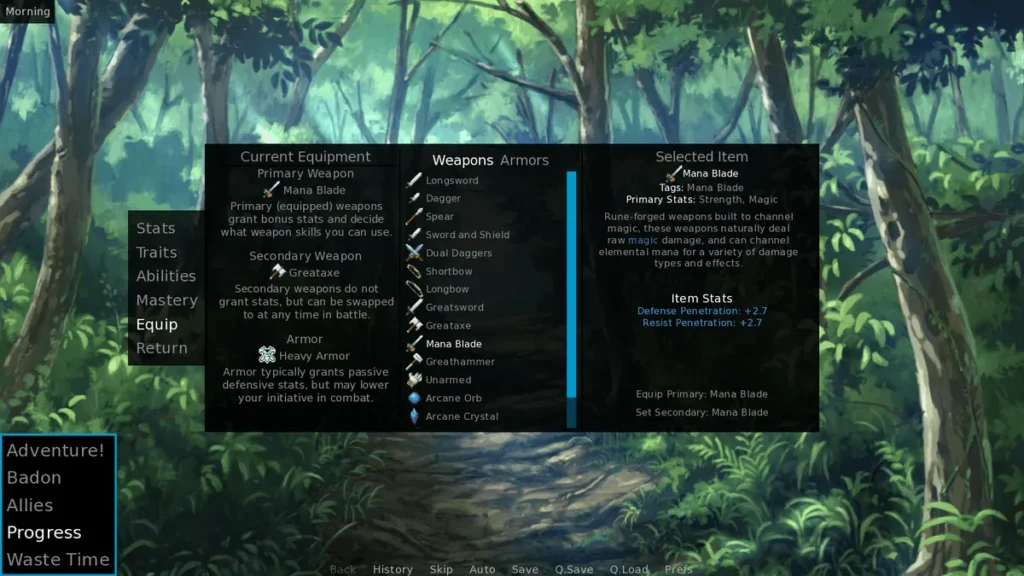

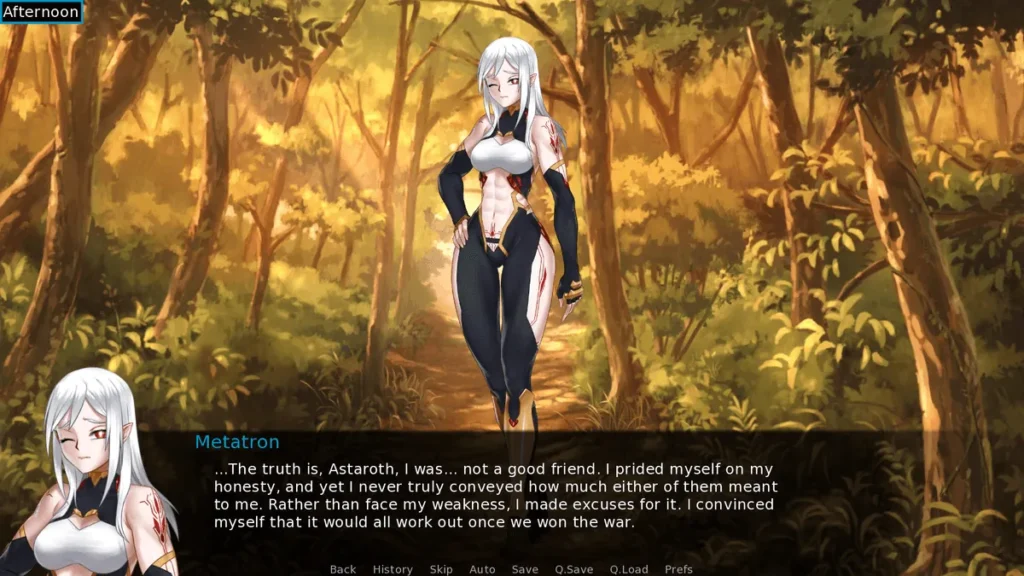
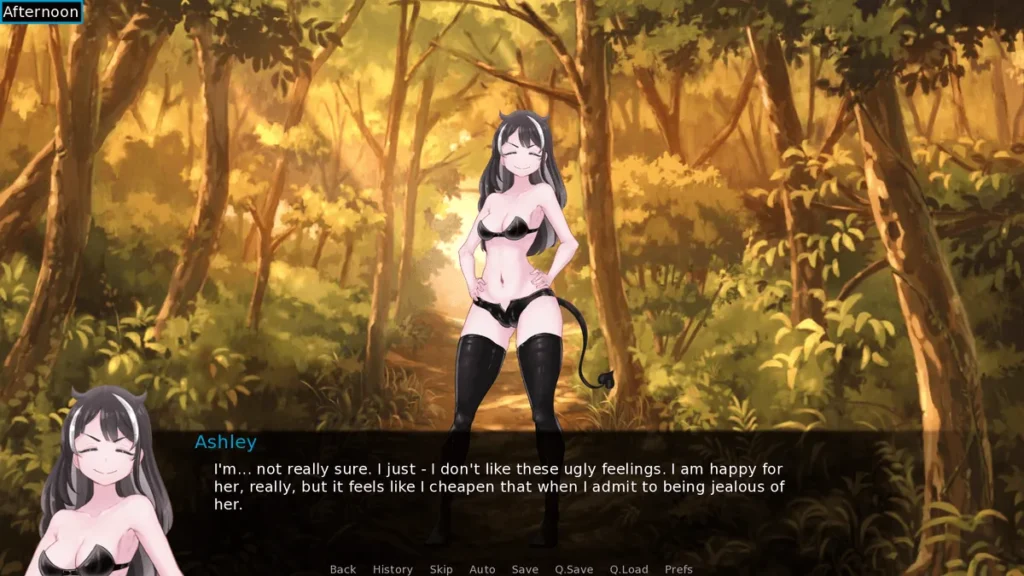
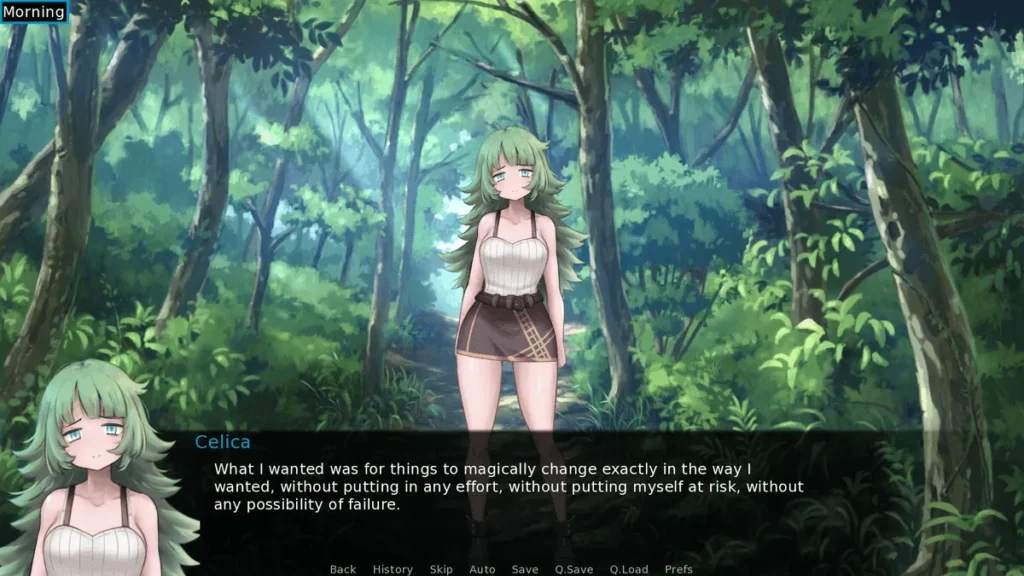
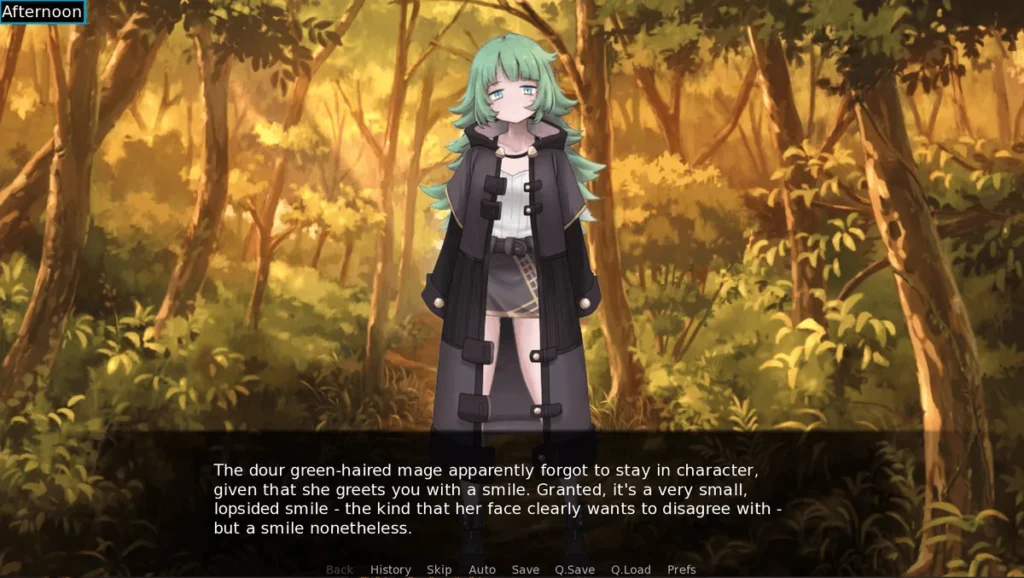
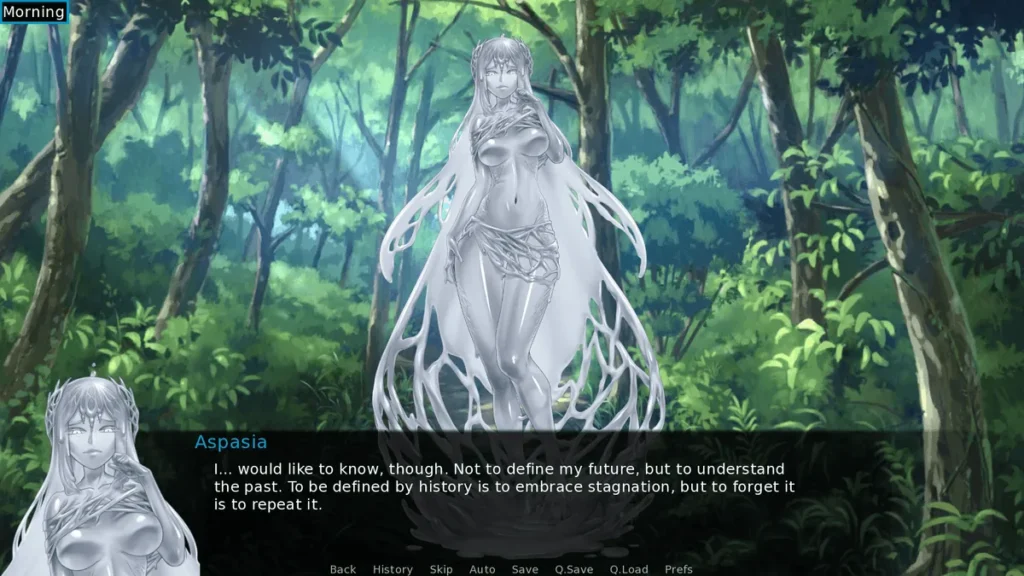
Divine Dawn review
Complete overview of the indie narrative experience with unique character interactions
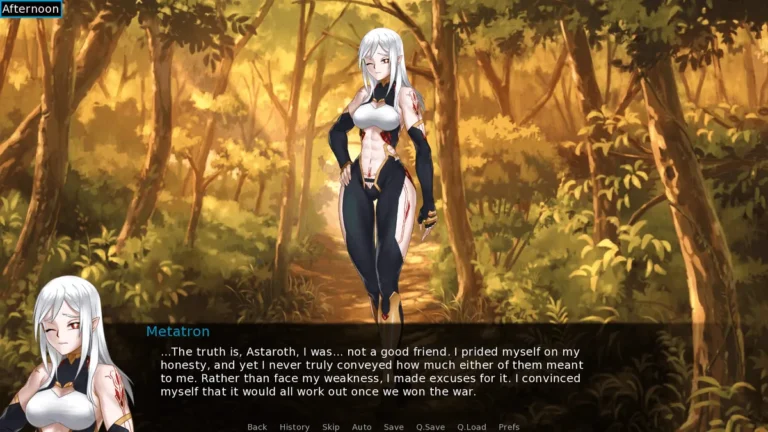
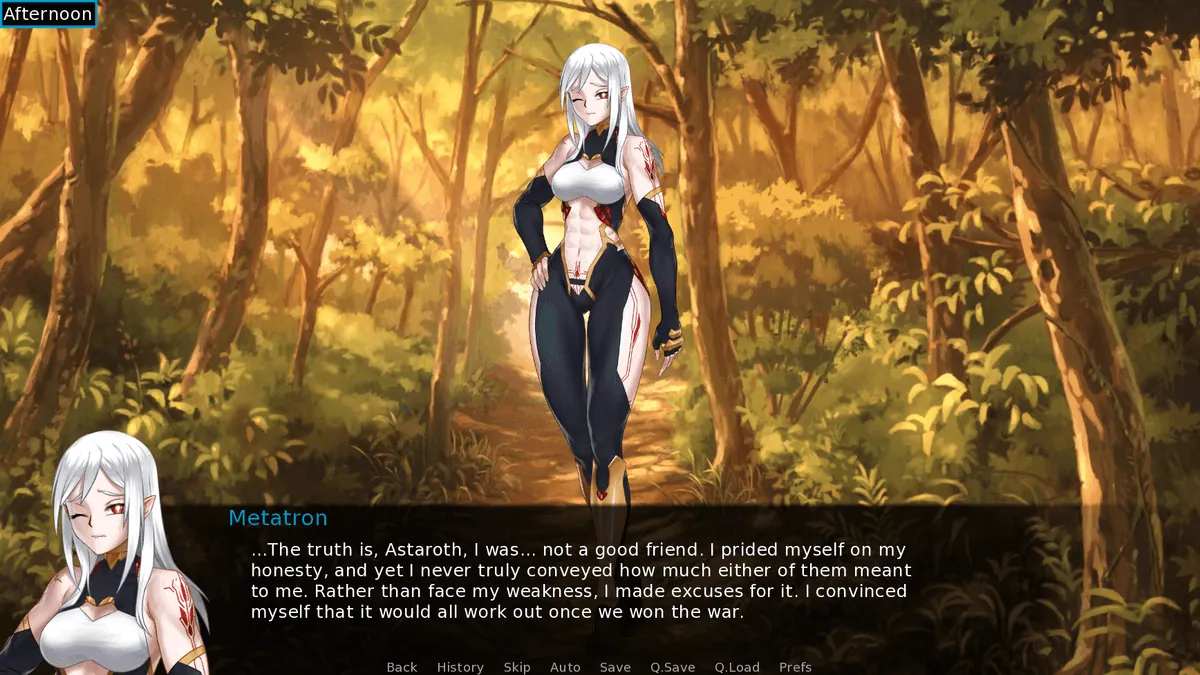
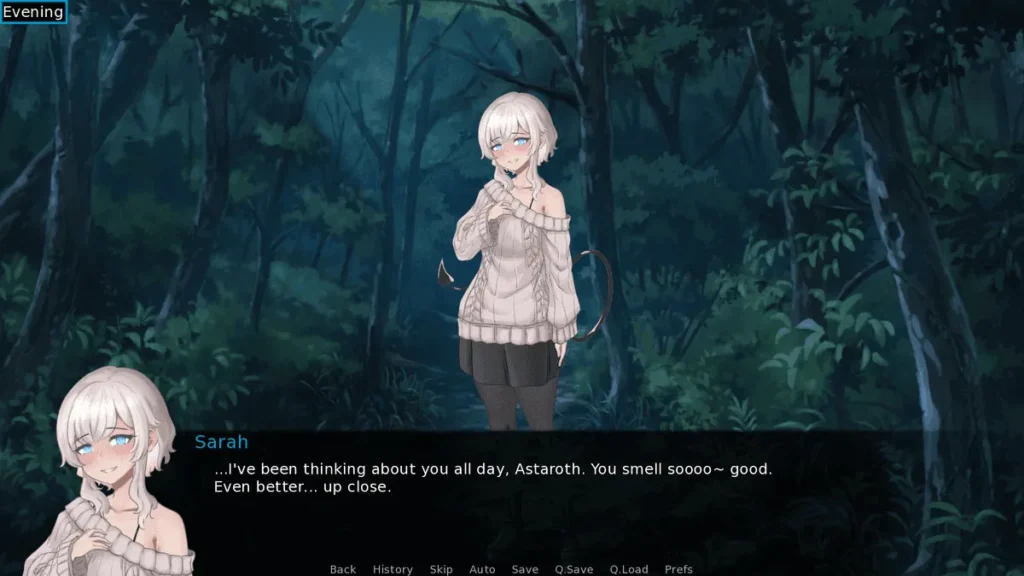
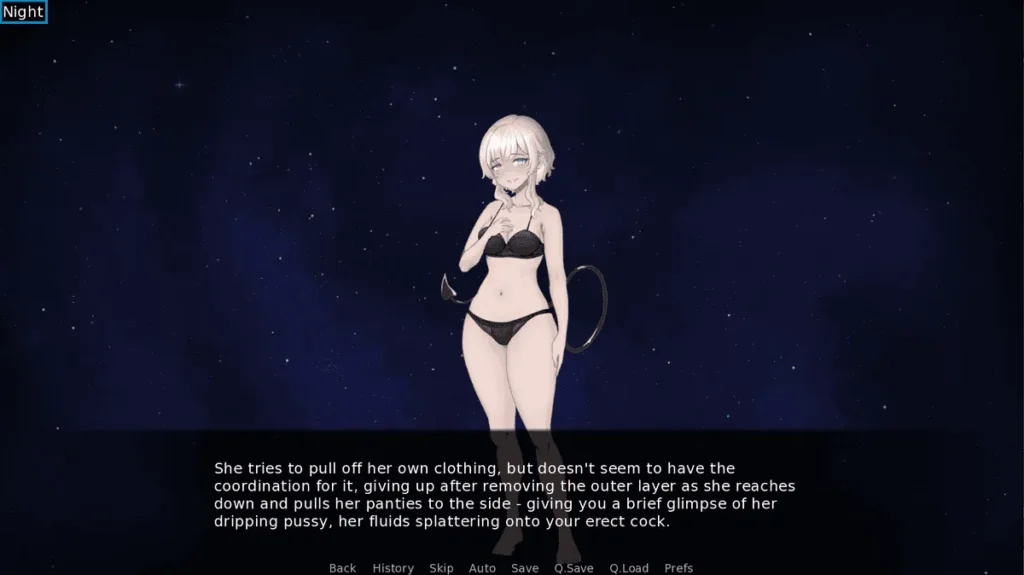
Divine Dawn stands out as a compelling indie narrative experience that prioritizes storytelling alongside interactive elements. This game has garnered attention for its well-crafted characters, engaging dialogue systems, and meaningful player choices that impact the narrative. Whether you’re exploring the game for the first time or seeking to understand what makes it unique in the indie gaming landscape, this guide covers everything from core gameplay mechanics to character dynamics. The developer’s commitment to quality writing and player agency creates an experience that resonates with players looking for depth beyond surface-level entertainment.
Understanding Divine Dawn’s Core Gameplay and Mechanics
Ever found yourself in a turn-based game, mindlessly clicking through menus while your brain checks out? 🎮 I know I have. You’re just going through the motions, waiting for the next story beat, and the combat feels like a chore separating you from the narrative you actually care about. Divine Dawn flips that entire script on its head. Here, every action, every tactical decision, and every spoken word is part of a single, cohesive tapestry. This isn’t a game where you play and experience a story; the play is the story.
At its heart, Divine Dawn is an indie narrative experience that masterfully blends traditional mechanics with profound interactive storytelling. Its turn-based game system isn’t just for combat; it’s the rhythmic heartbeat of exploration, dialogue, and character development. What truly sets it apart is how every mechanic serves the narrative, creating a world where player choice and consequences aren’t just advertised features—they are the very foundation of your journey. Let’s pull back the curtain on what makes this game’s Divine Dawn gameplay mechanics so uniquely engaging.
What Makes Divine Dawn’s Gameplay Unique? 🧩
Forget everything you think you know about the separation of gameplay and story. Divine Dawn operates on a brilliantly simple, yet deep, principle: narrative is a verb. You don’t just watch relationships unfold; you build them through your actions in and out of battle. You don’t just make a moral choice in a dialogue box; you live with the tactical repercussions of that choice in the next encounter.
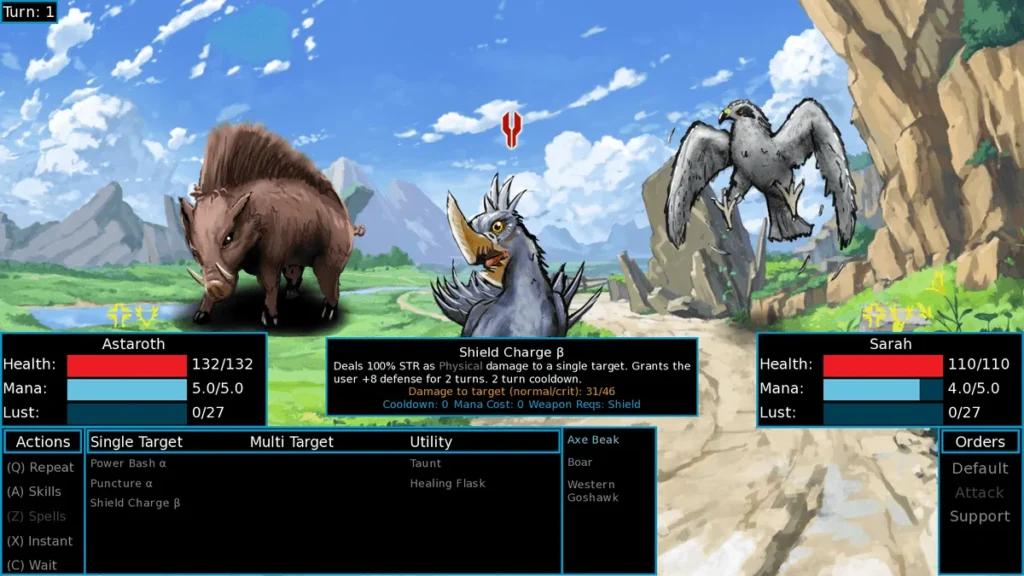
The core loop is deceptively elegant. You explore beautifully crafted, hand-painted environments, engage in conversations that feel alive and immediate, and navigate conflicts using a dynamic turn-based game system. But the magic is in the connections:
- The “Conviction” System: Your combat style builds your reputation. Prefer defensive, protective tactics? Your party members will see you as a guardian, unlocking supportive dialogue options and story paths. Aggressive and ruthless? Characters will fear or respect you differently, altering their personal quests.
- Dialogue as a Tactical Resource: Exhausting every dialogue option with a character doesn’t just reveal lore; it can grant you “Insight” tokens. These tokens can be spent in battle to reveal enemy weaknesses, predict their next move, or even persuade certain foes to stand down, turning a social victory into a mechanical advantage.
- Environmental Storytelling in Combat: Battle arenas aren’t blank slates. That crumbling statue? It has a history mentioned in a prior conversation, and you can use it for tactical cover. The specific enemy types you face are often a direct result of a prior decision you made in the story.
This seamless integration means the Divine Dawn gameplay mechanics never feel like a minigame. They are the primary language through which the narrative speaks. The indie game storytelling here is confident, knowing that its interactive systems are strong enough to carry emotional weight.
To see this philosophy in action, here are the key features that define the experience:
- The Unified Action Economy: Actions in dialogue (persuade, inquire, empathize) and in combat (attack, defend, use an item) draw from the same conceptual pool, emphasizing that every interaction is a meaningful expenditure of your character’s focus and energy.
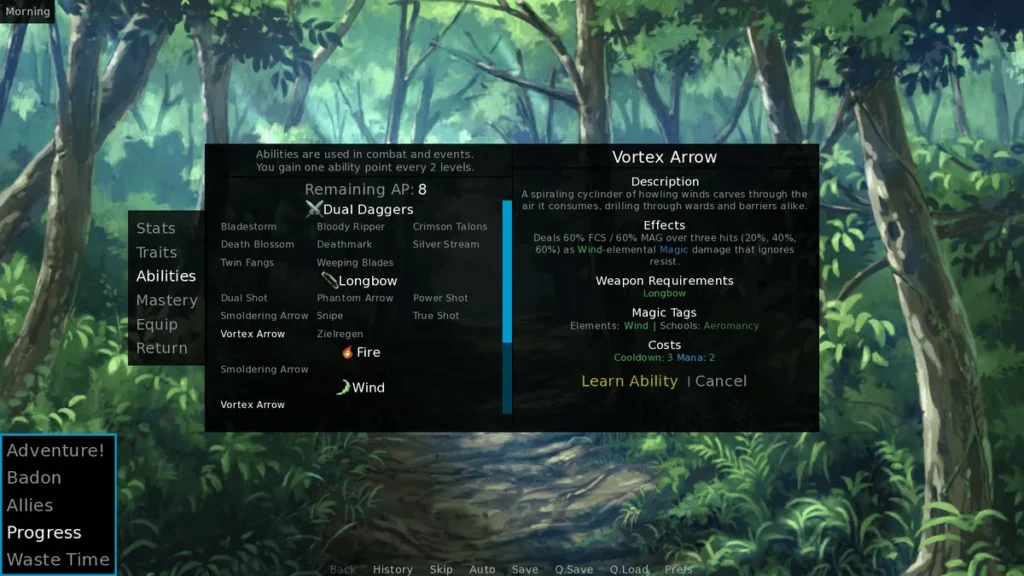
- Character-Driven Combat Abilities: Each party member’s special skills are extensions of their personality and backstory. Their growth in battle directly parallels their emotional arc in the plot.
- Non-Linear Scene Progression: While following the main story, the order in which you experience scenes, side stories, and even combat encounters can shift dramatically based on your choices, making each playthrough structurally unique.
Pro Tip: Talk to everyone, and talk to them often. In Divine Dawn, a seemingly trivial chat with a blacksmith might give you a key phrase to use in a negotiation three hours later. The world remembers your attention to detail.
Player Choice and Agency in Divine Dawn ⚖️
This is where Divine Dawn truly shines. Many games pay lip service to player choice and consequences, offering the illusion of impact while funneling you back to a main storyline. Divine Dawn makes you feel the weight of every decision, both immediately and in the long arc of your Divine Dawn story progression.
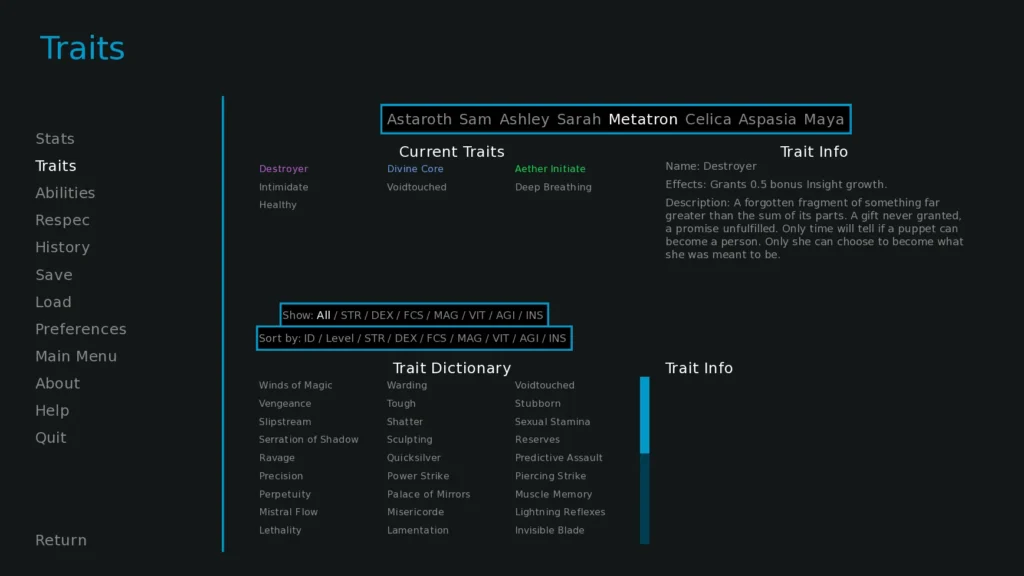
The game’s character interaction system is its crown jewel. Characters don’t just have a simple “like/dislike” meter. They have complex memories, values, and ongoing opinions that evolve based on a myriad of factors: how you treat them, how you treat others in their presence, the combat roles you assign them, and even the order in which you tackle quests.
Let me give you a concrete example from my own playthrough. Early on, I encountered a wounded scout from a rival faction. I had three core options:
- Merciful Healer: Use my limited medical supplies to stabilize him and send him home.
- Pragmatic Captor: Take him prisoner for interrogation, gaining potential tactical information.
- Ruthless Eliminator: End the threat, securing the area but embracing brutality.
In a lesser game, this might affect a single line of dialogue later. In Divine Dawn, this choice rippled outward:
* Character A, a compassionate healer in my party, deeply approved of option one. Our bond strengthened, and later, she privately shared a crucial piece of her past, unlocking a special ability for her in battle.
* Character B, a duty-bound soldier, respected option two. It validated his worldview, making him more open to my strategic commands in future fights, granting me a temporary damage boost when I directed him.
* Choosing option three? It permanently altered the narrative branching dialogue with several characters. The scout’s faction became more aggressive in later encounters, and a different party member, secretly aligned with their ideals, began subtly sabotaging my efforts, which I only discovered much later.
This is the essence of meaningful player choice and consequences. The game doesn’t tell you “Character B will remember that.” It shows you, through altered behavior, new dialogue trees, and tangible gameplay effects.
| Your Choice | Immediate Consequence | Long-Term Narrative Branch | Gameplay Effect |
|---|---|---|---|
| Spare a Corrupt Official | Gain a temporary monetary reward. | He uses his connections to undermine you later, making a key city district hostile. | Access to certain shops is blocked; new stealth-based obstacles appear. |
| Expose the Official Publicly | Anger the city guards, triggering a difficult escape sequence. | The common people rally to your cause, providing aid and information. | Unlocks new “Civilian Intel” side missions with unique rewards. |
| Blackmail the Official | Gain a powerful, one-use combat item. | He becomes a desperate, unpredictable enemy, hiring assassins to stalk your party. | Random “ambush” encounters are added to the world map for several chapters. |
This table illustrates how a single decision can spin off into vastly different experiences. The narrative branching dialogue isn’t about picking a “good” or “evil” path; it’s about defining your protagonist’s methodology and watching the world react in kind. The character interaction system ensures your party feels like real companions reacting to your leadership, not just following a script.
Narrative Structure and Story Progression 📖
So, how does Divine Dawn manage this intricate web of choices without collapsing under its own complexity? The answer lies in a brilliantly structured approach to Divine Dawn story progression. Instead of a single, fragile storyline with a million branches, the game is built around a “spinal cord” of key narrative events, with flexible, player-defined tissue connecting them.
Think of it as a novel where you get to write the chapters, but the major plot points remain impactful landmarks on your horizon. Your choices determine the journey between those landmarks—the allies you gather, the enemies you make, the truths you uncover, and the personal sacrifices you endure.
The pacing is deliberate and rewarding. The developer has structured the initial launch with a staggering amount of content, ensuring that your first playthrough feels dense and complete. We’re talking about a substantial word count with high-quality writing that rivals published novels, ensuring every character, from the main protagonist to the village baker, feels thoughtfully realized. This volume isn’t just for bragging rights; it’s what allows for such deep indie game storytelling and authentic character interaction system development.
Here’s how the story unfolds:
- The Foundation (Chapters 1-2): You’re introduced to the core conflict, your initial party members, and the basic rules of the world. Even here, choices set subtle precedents for how characters perceive you.
- The Expansion (Chapters 3-5): The world opens up. Your early decisions now manifest as tangible differences in available locations, quests, and party members. This is where the narrative branching dialogue truly begins to diverge, locking or unlocking entire character arcs and regional storylines.
- The Convergence (Chapters 6- Epilogue): The consequences of your actions coalesce. The allies you’ve cultivated (or alienated) arrive (or don’t) for the final acts. The ending you experience is less about a final binary choice and more the culmination of hundreds of small decisions you’ve made since the very beginning.
For players who might be hesitant about turn-based game system complexities, fear not. Divine Dawn offers multiple difficulty settings that can make the tactical combat more forgiving, allowing you to focus on the narrative and choices. Crucially, even on “Story” mode, your choices carry the same weight—the combat is simply less punishing, ensuring the Divine Dawn gameplay mechanics serve the story for all player types.
The balance achieved here is exceptional. You’ll never feel like you’re grinding just to see the next story scene, nor will you feel like the narrative is an interruption to the gameplay. Each supports and elevates the other, creating a uniquely immersive loop where you’re constantly asking: “What happens if I do this?” and then being thrilled and terrified to find out. This is the power of Divine Dawn—it makes you the author of a legend, one consequential choice at a time.
Divine Dawn represents a significant achievement in indie game development, combining engaging gameplay mechanics with exceptional narrative craftsmanship. The game’s strength lies in its commitment to meaningful player agency, where your choices genuinely impact character interactions and story outcomes. From the distinctly designed characters to the sophisticated dialogue writing and polished production quality, Divine Dawn demonstrates that indie titles can compete with larger productions in terms of depth and engagement. Whether you’re drawn to narrative-driven experiences, character-focused storytelling, or games that respect player intelligence through quality writing, Divine Dawn offers a compelling experience. The game’s substantial content volume at launch, combined with its focus on replayability through branching choices, ensures hours of engaging gameplay. For players seeking an indie title that prioritizes story and character development without compromising on production quality, Divine Dawn stands as a noteworthy recommendation in the gaming landscape.