Fatal Countdown – immoral List of Desires Screenshots







Fatal Countdown – immoral List of Desires review
Survive Chaos and Uncover Desires in This Gripping Game
Imagine waking up in a city plunged into anarchy, where a mysterious virus has erased law and order, turning streets into a playground for humanity’s darkest urges. That’s the hook of Fatal Countdown – immoral List of Desires, the intense survival simulation that blends RPG elements with captivating anime visuals. Released in April 2024 by Secret Garden and published by Playmeow, this game challenges you to make tough choices over a ticking countdown, balancing resources and desires. I’ve sunk hours into it myself, and let me tell you, the thrill of those daily decisions had me on the edge of my seat. In this guide, we’ll dive deep into strategies, story secrets, and tips to master the chaos—stick around to level up your playthrough.
What Makes Fatal Countdown – Immoral List of Desires a Must-Play?
I still remember the shock of my first playthrough of Fatal Countdown – Immoral List of Desires. One moment, I was a regular guy in a bustling, vibrant anime-style metropolis. The next, a mysterious broadcast declared the collapse of all law and order, and a strange virus began turning the city’s protectors into its biggest threats. 😱 The screen was soon filled with chaos, and a single, unsettling interface popped up: my very own Immoral List of Desires. It wasn’t just a menu; it felt like a dark mirror held up to my soul, tempting me with choices I never thought I’d have to make in a game story virus city setting. Do you help that stranded person, knowing it costs precious food, or do you turn away to ensure your own survival? This game’s raw, psychological depth hooked me instantly.
So, what is the Fatal Countdown game at its core? It’s a masterful blend of tense survival, narrative-driven simulation, and anime survival simulation RPG elements, developed by Secret Garden and published by Playmeow. Released on April 9, 2024, it throws you into a beautifully rendered urban hellscape and asks one compelling question: when society’s rules vanish, what desires will you act upon?
How Does the Story Unfold in a Virus-Ravaged City?
The game story virus city premise is your entry point into a world of brutal moral calculus. A sudden, unexplained pathogen has specifically targeted the city’s police and military, eradicating the very pillars of public safety. With the rule of law gone in an instant, the city transforms into a free-for-all—a playground for the wicked and a nightmare for the virtuous.
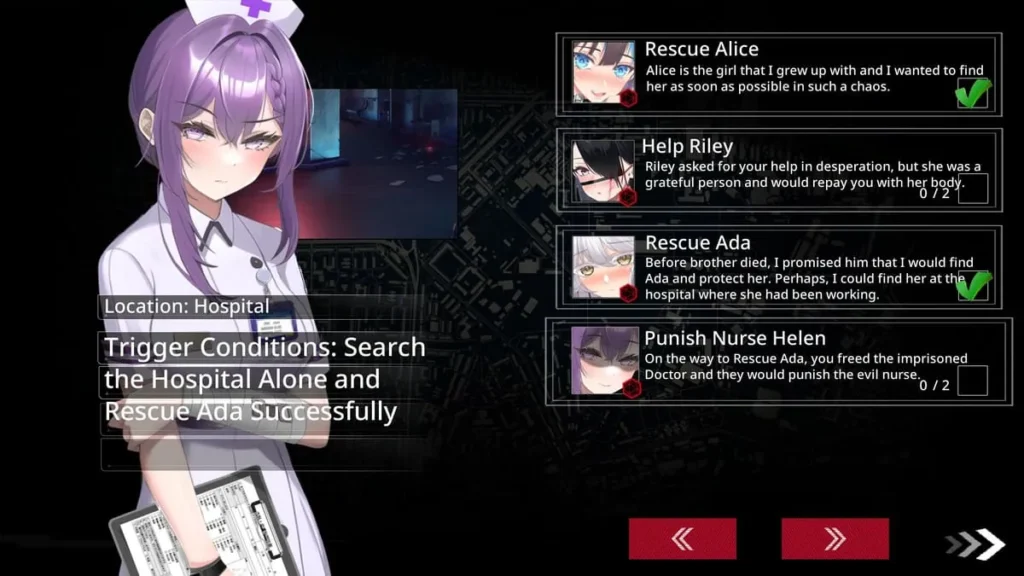
What truly drives the narrative forward is the game’s namesake: the Immoral List of Desires. This isn’t a fixed quest log. It’s a dynamic, procedurally generated checklist of morally grey or outright dark actions that appear based on your location, the characters you meet, and your previous choices. One playthrough might tempt you with “Steal Medicine from the Clinic,” while another might suggest “Blackmail a Fellow Survivor.” The brilliance is how it frames these not just as tasks, but as opportunities, reflecting the ugliness of human nature laid bare by the crisis. Your sanity becomes a resource as precious as food, as each checked-off desire changes how characters perceive you and alters the story’s available paths.
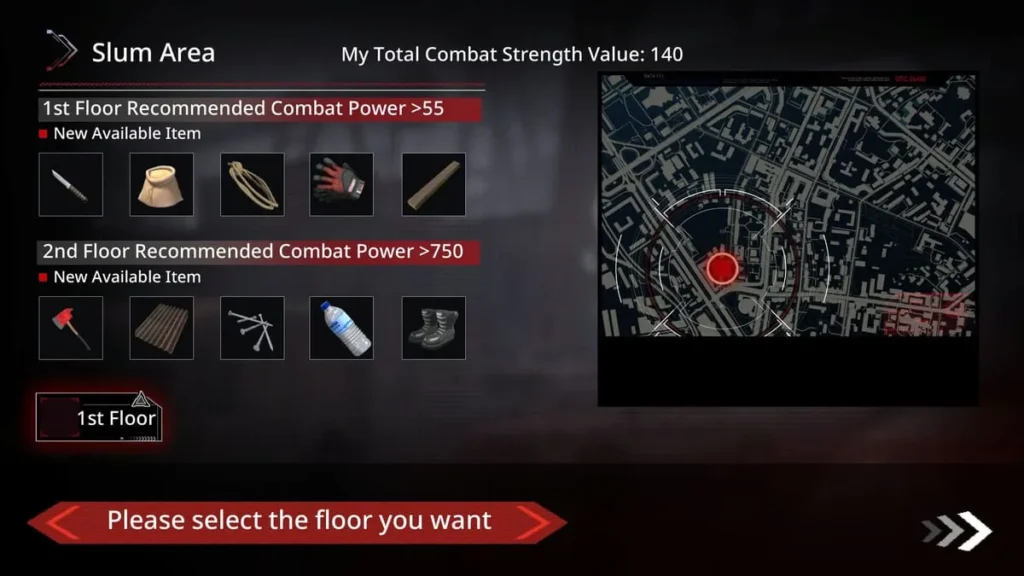
The setting itself is a character. You’ll explore derelict apartments, overrun supermarkets, and eerily quiet streets, all rendered in a stunning anime aesthetic that contrasts sharply with the grim events. Every corner of this virus city holds a potential story fragment, a resource, or a danger, making exploration a constant gamble between reward and risk.
Key Gameplay Mechanics: Survival Choices and Daily Actions
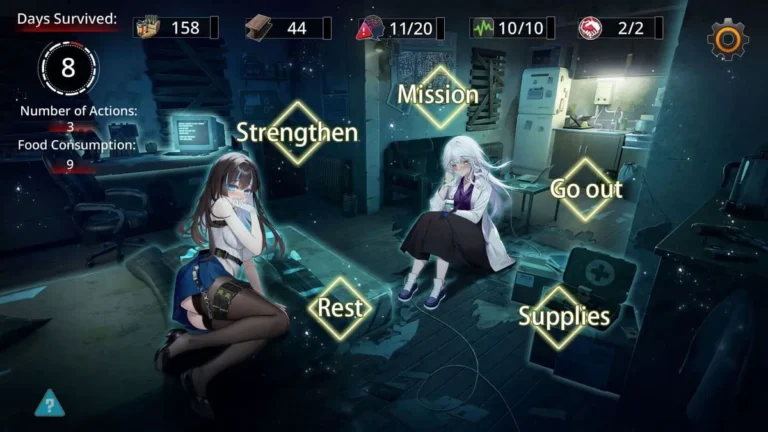
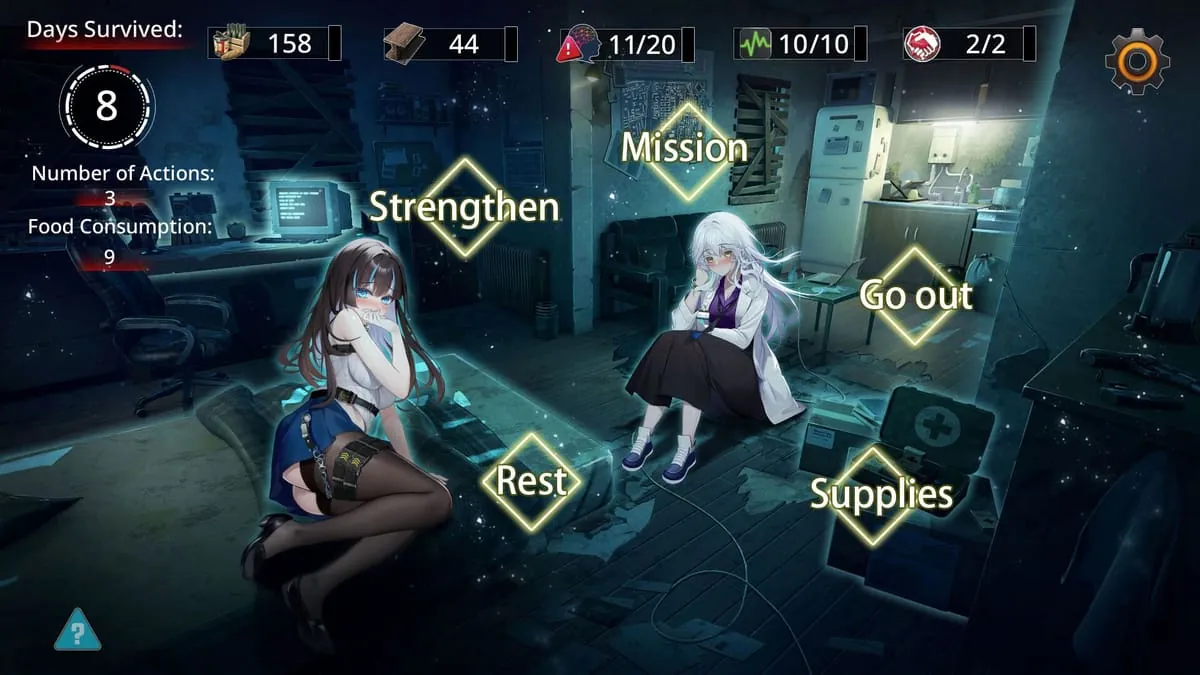
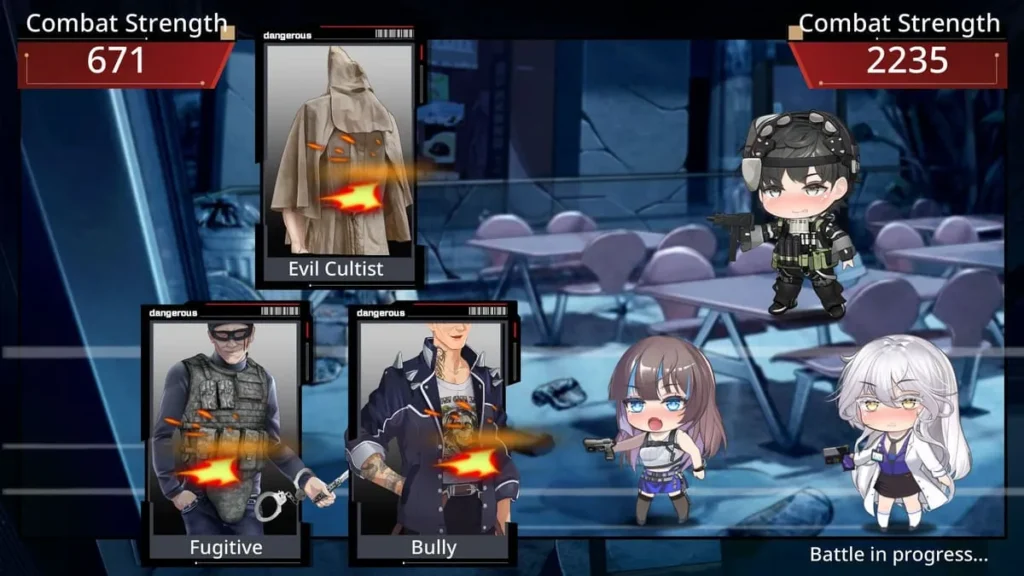
If the story provides the why, the survival mechanics daily actions system provides the relentless how. This is where Fatal Countdown shines as a strategic anime survival simulation RPG. Your time is broken into days, and each day you have a limited number of actions to manage your survival. It creates a constant, gripping tension reminiscent of classics like 60 Seconds!, but with a deep narrative layer.
Here’s a breakdown of the core systems you’ll master:
- The Action Economy: You get 3 crucial actions per day. Will you Scavenge for food and materials, Explore a new district for story progress, or Craft essential equipment? Every choice matters.
- Resource Management: Food is life. Your character consumes it daily, and running out leads to a swift game over. Managing your pantry while balancing other needs is the primary survival loop.
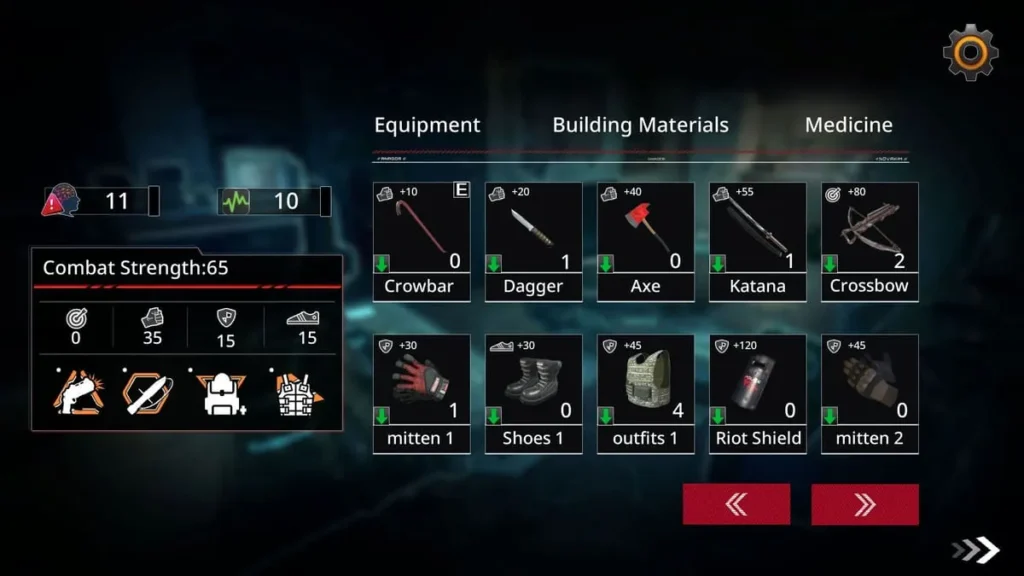
- Equipment & Upgrades: Found materials can be turned into weapons, armor, and tools. Better gear not only improves your combat chances but can unlock new interaction options in the world.
- Quality-of-Life Features: The developers understand replayability. A fast text-skipping function lets you breeze through previously seen dialogue on subsequent runs, while a full CG mode allows you to revisit all unlocked story scenes and artwork—a reward for exploring different choices.
The gameplay seamlessly merges with the story. A successful “Explore” action might advance the main plot, while “Scavenge” could lead to a random event where you find a survivor in need—and a new, tempting entry on your Immoral List.
To visualize a typical tense day, here’s how your daily actions might be budgeted:
| Time of Day | Possible Action | Primary Risk/Reward |
|---|---|---|
| Morning | Scavenge the Local Market | High chance of finding food, but risk of encountering infected or hostile survivors. |
| Afternoon | Craft a Makeshift Weapon | Uses scavenged materials to increase safety and open new story choices. |
| Evening | Explore the Downtown District | Critical for story progression; may trigger a major narrative event or desire. |
This structure forces you to be strategic. My hard-earned advice? Prioritize securing a stable food source and basic equipment within the first two days. It creates a safety net that allows you to engage with the game’s richer, riskier narrative choices later on. Trying to pursue every story thread without a survival foundation is a sure path to an early “Game Over.”
Why the Immoral List Drives Every Decision
The Immoral List of Desires is the revolutionary heart of this experience. It’s the mechanic that elevates Fatal Countdown from a great survival game to an unforgettable narrative one. Your immoral list desires choices don’t just affect a morality meter; they send ripples through the entire game story virus city.
Think of the list as a dynamic, AI-like narrative engine. The game observes your situation and proposes desires that feel chillingly logical in the context. Is your food running low? The list might suggest “Take Rations by Force” from a character you just met. This makes every choice feel intensely personal and consequential. Saying “no” is a valid choice that preserves your character’s humanity but may close off certain resources or story branches. Saying “yes” can grant you a powerful shortcut or a unique item, but at the cost of your sanity and how other characters relate to you.
This system creates immense replayability. With procedural character generation for NPCs and a dynamic narrative that adjusts to your reputation, no two playthroughs of Fatal Countdown – Immoral List of Desires are the same. Will you be a saint, a pragmatic survivor, or a ruthless opportunist? The list is your compass, constantly pointing toward your darkest potential.
The Secret Garden Playmeow release has been well-received, with the game holding a “Very Positive” Steam rating. Players and reviewers alike, myself included, praise its ability to blend tight survival mechanics with a story that genuinely makes you reflect on your decisions. It stands out in the world of interactive fiction by making every choice feel heavy and every desire dangerously attainable.
Fatal Countdown – Immoral List of Desires is more than a game; it’s a compelling experiment in pressure and personality. It masterfully uses its anime survival simulation RPG framework to ask tough questions, proving that in the right hands, the survival mechanics daily actions grind can become a profound vehicle for storytelling.
FAQ: Your Fatal Countdown Questions Answered
How long does a single playthrough take?
Most reviewers and players report an average playtime of about 4 hours for one complete story run from start to finish. However, the game is designed for multiple replays to see different outcomes, so total enjoyment can extend well beyond that.
Is the game just about making dark choices?
Not at all! While the Immoral List presents dark options, you can absolutely play a more principled, survival-focused character. The game respects your agency, and resisting temptation often leads to its own unique story paths and rewards.
What makes it replayable?
The combination of procedurally generated desires, random events, multiple narrative endings, and unlockable CGs provides huge incentive to play again. You’ll encounter different characters, challenges, and moral dilemmas on each run.
Where can I play it?
The game is available on PC via Steam, following its Secret Garden Playmeow release on April 9, 2024.
Diving into Fatal Countdown – immoral List of Desires feels like stepping into a personal nightmare turned thrill ride, where every choice echoes through a crumbling city. From mastering those nail-biting daily actions to wrestling with the immoral list’s temptations, this game delivers unforgettable survival tension wrapped in stunning anime style. My own sessions taught me that bold risks often lead to the richest stories—don’t shy away from experimenting. If you’re craving a mix of strategy, narrative depth, and edge-of-your-seat decisions, grab it now on Steam and start your countdown. Share your wildest playthroughs in the comments; I’d love to hear how you survived the chaos!