Hero Party Must Fall
Play Hero Party Must Fall
Hero Party Must Fall Screenshots
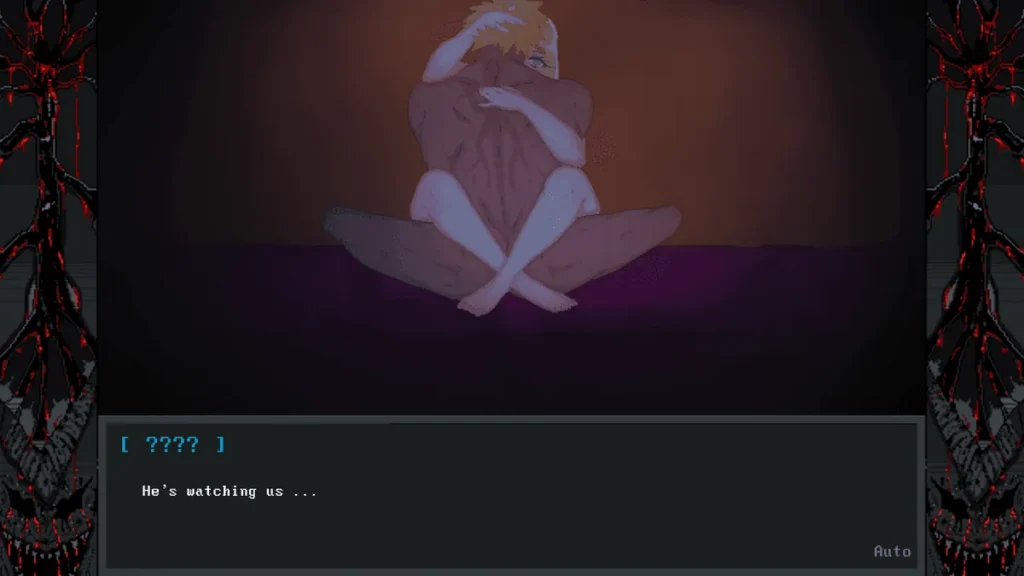
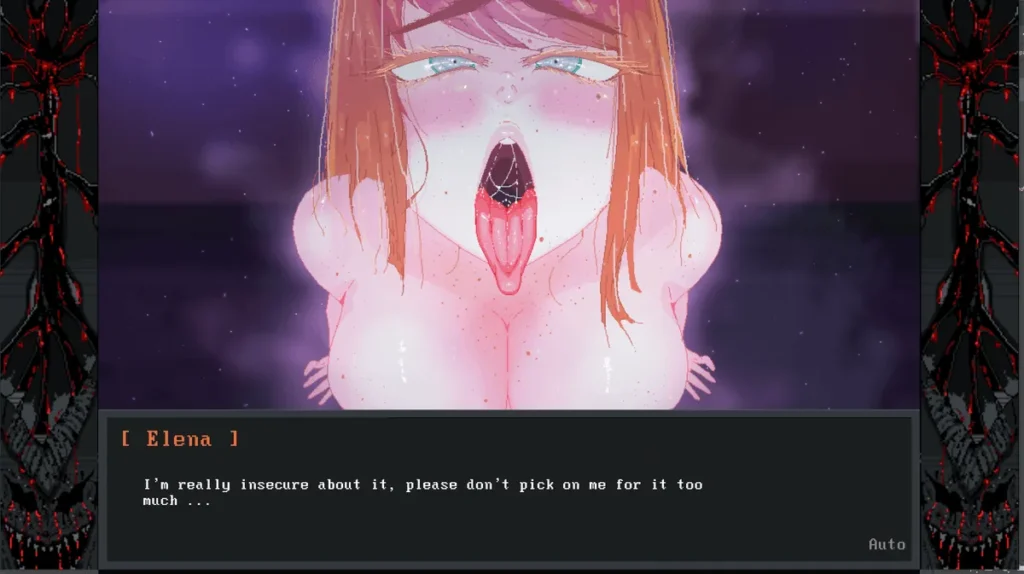
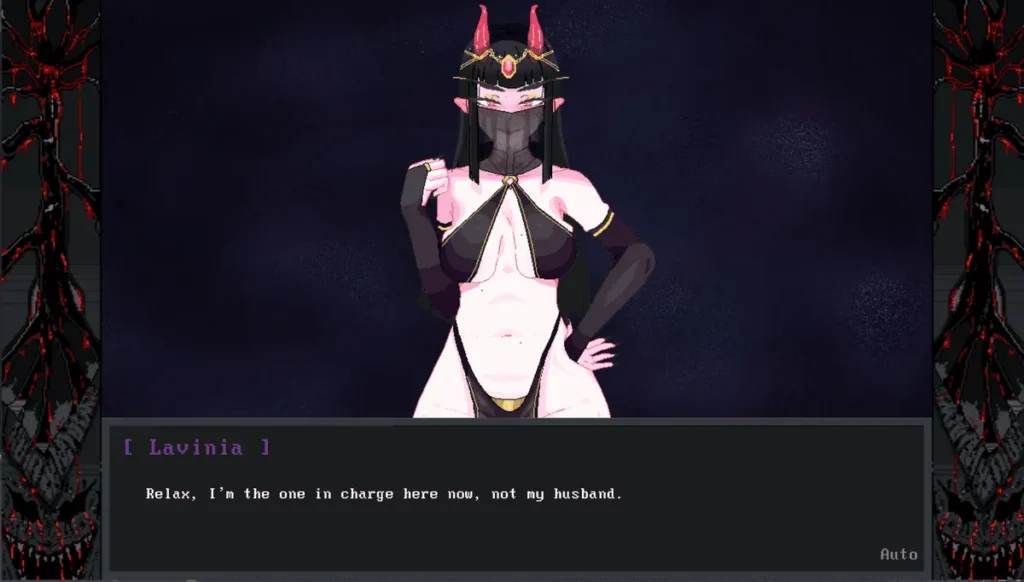
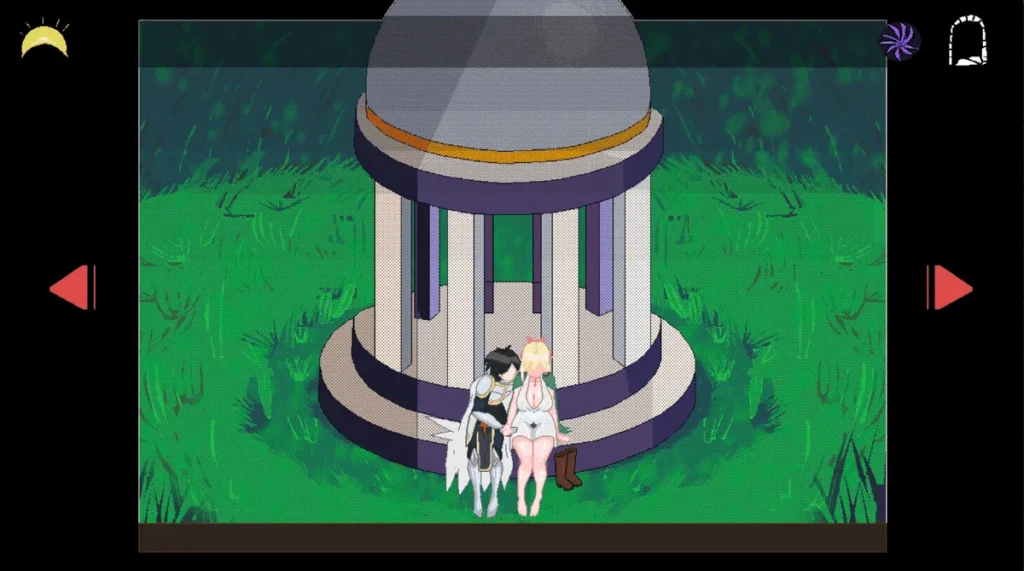
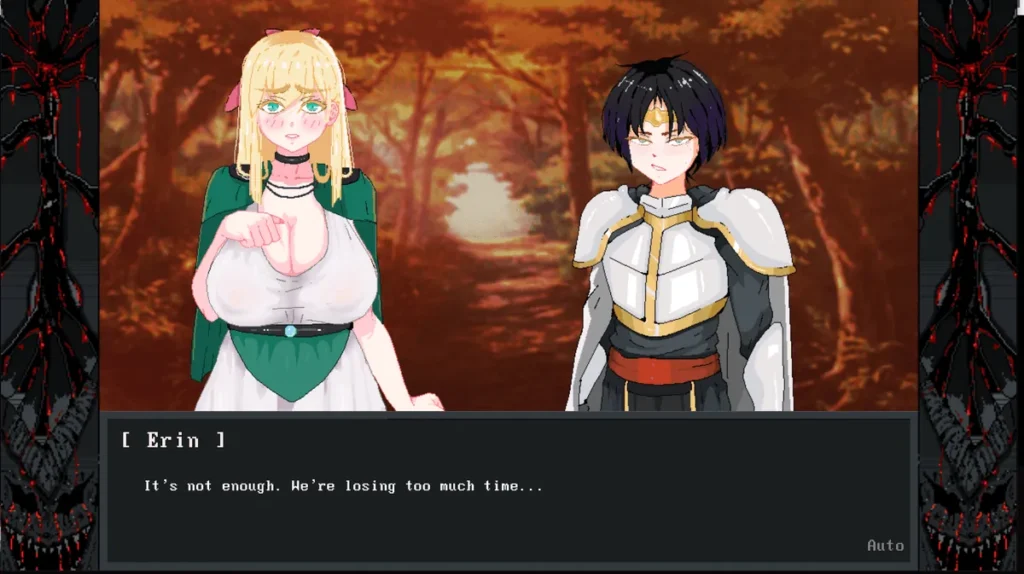
Hero Party Must Fall review
Explore gameplay mechanics, character development, and strategic sabotage in this unique indie title
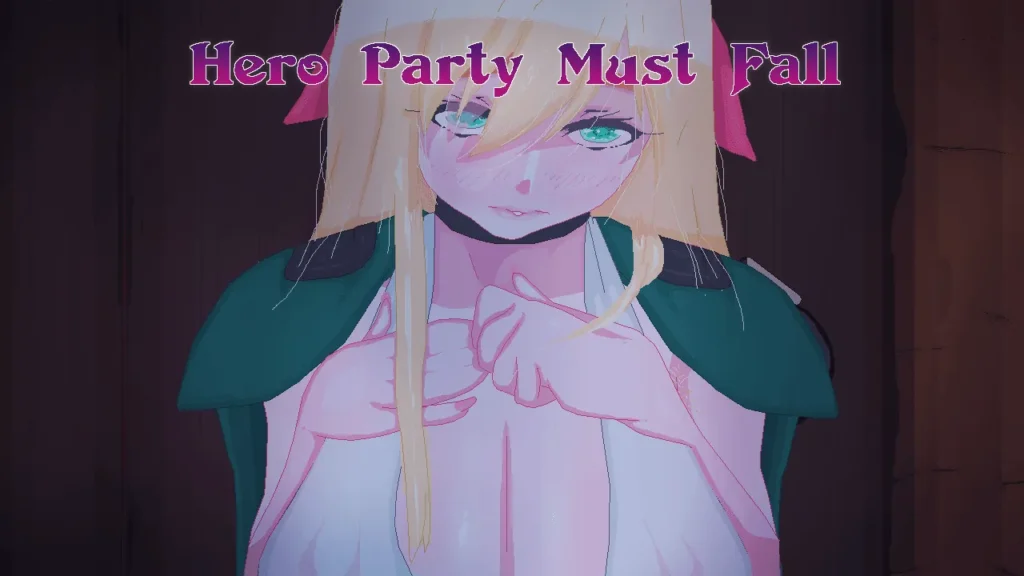
Hero Party Must Fall stands out as a uniquely crafted indie game that combines strategic gameplay with narrative-driven character development. This interactive experience challenges players to navigate complex party dynamics while managing resources and making consequential decisions. Whether you’re interested in understanding the game’s core mechanics, character progression systems, or strategic sabotage elements, this guide provides everything you need to know about what makes this title a standout in the indie gaming community. Discover how the game’s innovative approach to character corruption and party management creates an engaging experience that rewards careful planning and player agency.
Understanding Hero Party Must Fall: Core Gameplay Mechanics and Features
Ever found yourself playing a classic RPG, staring at the glowing, self-righteous hero on screen, and just thinking… what if they failed? 🤔 Not from a lack of skill on your part, but because you, the player, actively made it happen? That’s the deliciously devious premise at the heart of Hero Party Must Fall. This isn’t your typical save-the-world fantasy; it’s a game about meticulously unraveling a world-saving quest from the inside. The core Hero Party Must Fall gameplay loop is a masterclass in structured chaos, blending familiar RPG activities with a constant, thrilling undercurrent of betrayal.
I remember my first hour with the game. I was dutifully healing the tank in a dungeon, collecting my share of loot, and nodding along to the paladin’s noble speeches. Then, a prompt appeared: subtly redirect my healing spell’s energy to weaken the ground beneath his feet. One misstep later, and our “invincible” frontliner was buried in a pile of rubble, the monster got away, and I was pocketing some rare crafting components from the cave-in. The rush was incredible. It wasn’t about losing; it was about orchestrating a different kind of win. That moment hooked me, and it perfectly encapsulates the unique tension this game builds. You’re not just participating in activities; you’re performing them with a hidden agenda, and that dual layer is what makes every action compelling.
What Makes the Gameplay Loop Unique? 🎯
At first glance, Hero Party Must Fall presents a familiar facade. You are a member of the legendary Hero Party, embarking on dungeon crawls, managing town resources, and training to defeat the Dark Lord. But peel back that first layer, and you’ll find a complex clockwork of cause and effect where your loyalty is the most flexible resource of all. The genius of the Hero Party Must Fall gameplay is its commitment to player agency. Every standard RPG task is a potential vector for sabotage.
The loop is deceptively simple:
1. Plan: Review the party’s goals (clear a dungeon, secure an alliance, train for a boss fight).
2. Participate: Join the activity as the trusted support mage, cleric, or scout.
3. Subvert: Find the perfect moment to apply your party sabotage mechanics.
4. Adapt: Deal with the consequences, whether it’s a “failed” mission that nets you secret rewards or a successful sabotage that advances your own shadowy goals.
This structure turns routine tasks into high-stakes strategy sessions. A simple foraging trip becomes a critical choice: do you gather the rare herb to brew a potion that genuinely strengthens the hero, or do you “mistakenly” pick a visually similar fungus that will induce a costly, embarrassing ailment at the worst possible time? The game world is compact but dense, designed so that every location serves multiple purposes for both the party’s goals and your secret ones. This density ensures you’re never just walking from point A to point B; you’re constantly surveying for opportunities, making the world feel expansive through meaningful interaction, not sheer size.
To give you a clear picture of how these layers interact, here’s a breakdown of the primary activities:
| Gameplay Activity | Surface-Level Mechanic | Sabotage & Secret Mechanics | Primary Reward Types |
|---|---|---|---|
| Dungeon Exploration | Turn-based combat, puzzle-solving, treasure hunting. | Misleading the map, “accidental” environmental hazards, stealing loot before the party finds it. | Standard loot (Gold, Gear) + Hidden Sabotage Resources. |
| Town Management | Purchasing supplies, accepting side quests, crafting gear. | Spreading rumors to lower morale, overpaying for useless items to drain party funds, crafting flawed equipment. | Information, Influence, Controlled Resource Drain. |
| Training Sessions | Skill-based minigames to boost party stats. | Deliberately failing inputs to teach poor form, over-exerting a hero to injure them. | Public Stat Increases + Hidden Corruption Progress. |
| Character Interactions | Dialogue trees to build relationships and gain insights. | Planting seeds of doubt, fostering inter-party conflict, lying about other members’ actions. | Trust Levels + Secret Leverage & Blackmail Material. |
Strategic Decision-Making and Party Sabotage Systems 🕵️♂️
This is where Hero Party Must Fall truly shines. The party sabotage mechanics are not a single “betray” button. They are a nuanced, interwoven system of small decisions that create catastrophic failures. It’s death by a thousand cuts, and you’re holding the knife. The game brilliantly ties its character interaction system directly into these mechanics. You can’t effectively sabotage a hero you don’t understand.
Each party member has unique personality traits, desires, and fears. The stoic knight might be suspicious of magic, making him easy to turn against the party’s mage. The cheerful bard might be secretly vain, allowing you to sabotage their performance by insulting their outfit right before a critical rallying speech. By engaging deeply with the character interaction system, you gather the social ammunition needed for your schemes. I once spent three in-game days just gossiping with the rogue, learning about her gambling debts. Later, I framed the paladin for reporting her to the town guard, creating a rift that caused them to refuse to cooperate in a boss fight. The party lost, and I gained two powerful enemies… who were now too busy hating each other to notice my own actions.
The training sessions minigames are a perfect microcosm of this strategy. These aren’t just simple button-mashers. Each one is a small skill test—timing blocks for the warrior, memorizing spell patterns for the mage. Succeed genuinely, and their stats rise, making the party stronger on the surface. But deliberately fail in specific ways, and you can cause hidden “training injuries” that reduce their stamina or sow frustration that lowers group morale. It’s a constant risk-reward calculation: do I make them stronger now to ensure we survive the next dungeon (and I get my share of the dungeon exploration rewards), or do I cripple them slightly for a bigger payoff later?
Pro Tip: The best sabotage often looks like bad luck or personal failure. Misfiring a spell in combat is suspicious. “Forgetting” to mention a weak point in the monster’s armor until after the hero has already charged in? That just looks like poor battlefield awareness. Play the fool, not the fiend.
Combat itself is governed by a crucial combat stamina system. Every action, from a basic attack to a powerful spell, drains a shared stamina pool for the character. Manage it well, and they’re a relentless force. Manage it poorly, and they’ll be left gasping and vulnerable at a crucial moment. As the saboteur, you have direct and indirect influence over this. You can “help” by casting spells that slightly increase stamina drain, or you can misdirect the hero into wasting powerful abilities on weak foes. Watching the mighty swordswoman exhaust herself chopping down animated mushrooms you led her into, only to face the dungeon boss with empty reserves, is a special kind of strategic satisfaction. Mastering the combat stamina system is key to orchestrating believable failures.
Resource Management and Reward Mechanics 💰
In most RPGs, resource management is about conservation: make your potions last, spend gold wisely. In Hero Party Must Fall, it’s about orchestrated allocation and secret hoarding. You are managing two economies: the official party treasury and your own hidden cache. The dungeon exploration rewards are the lifeblood of this dual economy, but success and failure yield different currencies.
A “successful” dungeon dive nets the party the obvious prizes: shiny new weapons, armor, and a pile of gold. You get your cut, which is useful for maintaining your cover. But a “failed” expedition—one where the objective isn’t met, often thanks to your subtle interference—can be far more profitable for your secret goals. Perhaps the cave collapses, blocking the main treasure room but exposing a hidden vein of shadow-ore only you know how to use. Maybe the monster escapes, but not before shedding rare alchemical components in its panic.
Let’s walk through a concrete example:
Example: The Gilded Caverns Dive
* Objective: Retrieve the “Sunstone” from the cavern boss.
* Successful Party Outcome: The party fights the Crystal Golem, defeats it, and claims the Sunstone. The dungeon exploration rewards are divided: 500 Gold, the Sunstone (key item), and the “Crystalline Shield” (powerful armor).
* Your Public Share: 100 Gold, reputational boost.
* Your Hidden Gain: Minimal. The party is stronger.
* Your Sabotaged Outcome: During the fight, you use a spell that destabilizes the cavern’s ceiling when the Golem pounds the ground. The Golem is buried in a rockslide and retreats, the Sunstone unreachable. The mission is a “failure.”
* Public Party Loss: No Sunstone, no shield. Morale drops.
* Your Hidden Reward: You secretly harvest “Fractured Crystal Shards” from the rubble (useless for holy gear, perfect for crafting sabotage tools). You also pocket 200 Gold from a side-passage the distracted party missed. The Golem remains alive, a future threat you can exploit.
See the difference? The game reframes failure as an alternative success path, which is a brilliant design choice. This feeds directly into your overarching resource management strategy. You need official funds to keep up appearances and purchase mundane supplies. But you need your hidden, illicit resources to research stronger sabotage, bribe informants, or craft cursed items. Balancing these two pools is a constant, engaging puzzle.
Your resource management strategy extends beyond loot. It includes:
* Party Morale: A resource you can spend by creating conflict or invest in by playing peacemaker to lower suspicion.
* Trust: Earned through the character interaction system, it’s a currency you can spend to frame others or get away with risky actions.
* Time: The party is on a clock before the Dark Lord’s final move. Every delay you cause is a resource gained for your own preparations.
The training sessions minigames also contribute here. Succeeding at them costs your real-world time and focus but builds the party’s public strength. Failing them on purpose is quicker and advances your hidden goals, but risks raising suspicion if done too often. It’s all a magnificent, tense balancing act where every resource, from a gold coin to a moment of trust, is a tool in your grand scheme to ensure the Hero Party Must Fall.
Ultimately, the gameplay is a powerful tapestry of interlocking systems. The character interaction system informs your party sabotage mechanics, which directly alter the flow of combat and the nature of dungeon exploration rewards. All of this is governed by a deep resource management strategy that treats every action as an investment. Whether you’re mastering the training sessions minigames to secretly injure a comrade or manipulating the combat stamina system to engineer a costly retreat, you are never a passive participant. You are the author, director, and lead actor in a tragedy of your own making—and it’s some of the most engaging, devilishly clever Hero Party Must Fall gameplay you’ll ever experience.
Hero Party Must Fall represents a masterclass in indie game design, combining strategic gameplay mechanics with exceptional character development and artistic presentation. The game’s unique approach to party sabotage, character corruption, and narrative progression creates an experience that rewards player engagement and careful decision-making. From its hand-crafted visuals to its compelling music and well-written characters, every element works together to create an immersive gaming experience. Whether you’re drawn to the strategic gameplay, the character-driven narrative, or the artistic presentation, Hero Party Must Fall offers something distinctive in the indie gaming landscape. For players seeking a game that respects their intelligence and rewards exploration and experimentation, this title deserves your attention and time investment.