Lessons in Love
Play Lessons in Love
Lessons in Love Screenshots









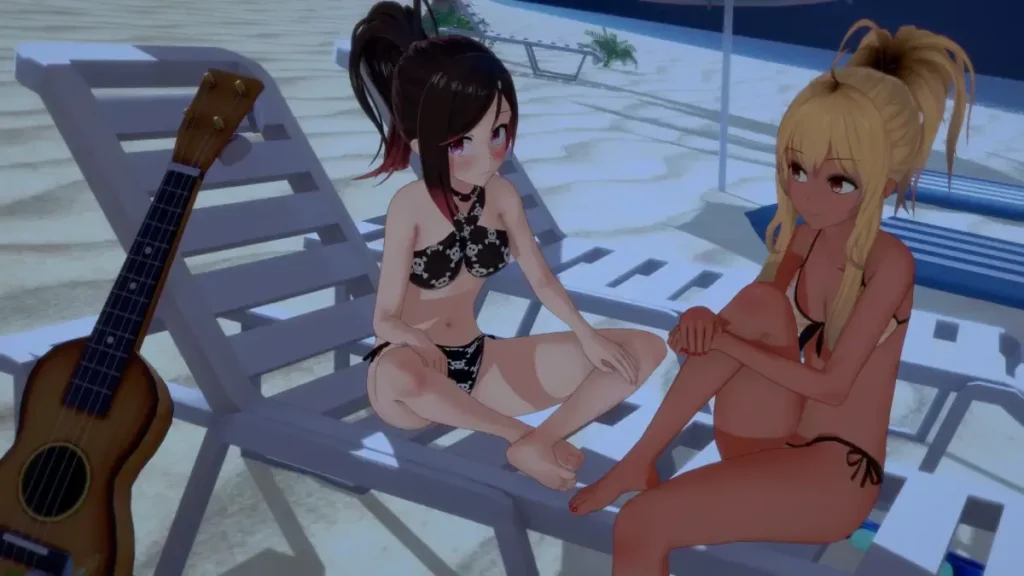




Lessons in Love review
A practical walkthrough, character insights, and strategies for Lessons in Love
Lessons in Love is a branching visual novel and dating-sim that combines a supernatural plot with romance-driven character routes—this guide focuses exclusively on Lessons in Love to help players navigate its events, relationships, and endings. In this post I share hands-on tips from playthroughs, key route triggers, and practical strategies to unlock major scenes and alternate conclusions. Whether you’re playing blind or aiming for a specific route, this guide will reduce guesswork and help you make meaningful choices faster.
Understanding Core Mechanics and Progression
Ever feel like you’re just wandering through Lessons in Love, clicking locations and hoping something interesting happens? 🎭 You’re not alone. When I first started, I treated it like any other visual novel, blindly following my whims. Big mistake. I spent an entire in-game week just seeing repetitive dialogue, completely missing a crucial event with a character because I visited the park on a Tuesday instead of a Wednesday. Understanding the Lessons in Love mechanics is the difference between watching the story unfold and actively shaping it. This isn’t a game you can just breeze through; it’s a delicate, interlocking machine of schedules, stats, and secrets. Let’s break down that machine so you can master it.
How time, locations, and choices shape events
Think of a single day in Lessons in Love not as a blank canvas, but as a pre-written schedule with invisible doors. 🗓️ Your job is to find which doors are open and walk through them. The core loop is deceptively simple: you wake up, you choose locations to visit, and things happen. But beneath that surface lies the game’s beating heart: its daily schedule visual novel structure.
Every day of the week has a unique rhythm. The school hallway might be buzzing with potential interactions on Monday morning but be a ghost town on Saturday. A character could be studying in the library every afternoon, but only offer a new scene if you’ve previously helped them with a specific problem. This is where time locations choices become your primary tool. Selecting “Beach” on a sunny Sunday afternoon might trigger a group event, while choosing “Downtown” at night could lead to a more private, intimate encounter with a single character.
The availability of these scenes is governed by a hidden web of prerequisites. An event might require:
* A specific day and time.
* A previous event in that character’s storyline to be completed.
* A minimum (or sometimes maximum) value in a hidden stat, like Affection.
* The absence of another “flag” that locks the content.
For example, in my playthrough, I was eager to advance my relationship with a particular character. I knew she often visited the rooftop at noon. I went there day after day, getting the same generic chat. I was frustrated until I realized I hadn’t triggered her introductory event at the cinema the prior weekend. Once I loaded an old save, did that, and returned to the rooftop, an entirely new, story-critical scene played out. The game rarely tells you “you can’t do this yet”; it just shows you the default world state. Understanding this flow is the first step to mastering Lessons in Love event triggers.
Pro Tip: Don’t just chase one character. The game’s world feels alive because characters have their own schedules. If you’re stuck, try exploring a new location at a different time. You might unlock a parallel event that indirectly changes the availability of the scene you actually want!
Affection, Lust, and flags: what to track
If time and location are the stage, then Affection, Lust, and flags are the script and actors. 🎭 These internal metrics silently dictate which version of the story you get to see. They are the most crucial part of the Lessons in Love mechanics you need to internalize.
- Affection Points: Think of this as a classic relationship meter. It’s a numerical value (often hidden) that increases through positive, supportive, or kind choices. High Affection typically unlocks sweeter, more romantic scenes and is usually a prerequisite for a character’s main story progression. It’s the stat for building genuine connection.
- Lust Thresholds: This is a different, more primal metric. It measures desire and physical attraction. Choices that are flirtatious, provocative, or risqué will raise this. Reaching certain lust thresholds can unlock specific, often more explicit, scenes and branching paths. Importantly, high Lust does not necessarily mean low Affection—you can balance both, but some events require one to be dominant over the other.
- Event Flags: This is the game’s memory. 🧠 A “flag” is a binary switch (on/off) that records whether you’ve seen a particular event or made a critical choice. For example, “Flag_Akira_TruthHeard = TRUE.” Future Lessons in Love event triggers will check for these flags. Some flags are simple prerequisites; others can permanently alter character routes or lock you out of content.
This trio forms the core of affection lust flags management. A major scene might require Affection > 50, Lust > 30, AND the flag Event_12_Complete to be set. Missing one condition means the event won’t trigger.
How to Track This Without Losing Your Mind: You can’t see these numbers in-game, so note-taking is your best friend. I created a simple spreadsheet that changed everything for me. Here’s what I track for each major character:
| Character | Last Major Event | Key Choice Made | Affection Notes | Lust Notes | Current Goal |
|---|---|---|---|---|---|
| Akira | Rooftop Confession (Day 45) | Told her to trust others | Likely High (unlocked supportive scenes) | Medium (flirted at cinema) | Trigger her weekend museum event |
| Brianna | Library Study (Day 43) | Helped with math problem | Medium | Low | Raise Lust via pool visits |
| Chloe | Beach Volleyball (Day 44) | Picked her team | High | High | Wait for festival flag on Day 49 |
This isn’t about perfect numbers—it’s about creating a map of your progress. When a new event doesn’t fire, I check my notes to see what prerequisite I might have missed. It turns a mystery into a solvable puzzle.
Save strategy and avoiding missable content
Here’s the hard truth: Lessons in Love is full of missable content. ⌛️ Scenes that appear only on a specific day, under specific conditions, and vanish forever if you pass them by. A poor save strategy Lessons in Love style can mean dozens of hours of lost progress if you discover a missed prerequisite late in the game. My first major detour came from exactly this. I missed a brief, seemingly insignificant chat with a side character in the first two weeks. 40 hours later, I hit a wall in a main character’s route that required that side character’s flag to be set. I had to choose: abandon 40 hours of progress or live with an incomplete story. I chose the former, and it hurt.
Learn from my pain. This game demands a disciplined save system. Relying on a single save file or even just the auto-save is a recipe for frustration. You need multiple, manually-named saves.
Here is the save rotation system that saved my playthrough:
| Save Slot Name | When to Create/Use It | Why It’s Critical |
|---|---|---|
| START_[DayNumber] | First thing every new in-game morning. | This is your daily anchor. If your day goes completely sideways, you can rewind just 24 hours without losing weeks of progress. |
| PRE_CHOICE_[Character/Event] | Immediately before any major dialogue choice or location decision you’re unsure about. | This lets you explore branching paths without commitment. See both outcomes of a crucial choice, then reload and pick your favorite. |
| MAJOR_[EventName] | Right after completing a significant story event or unlocking a new area. | This creates a clean “chapter start” point you can return to. If a future event breaks, you know you have a working save from before it. |
For absolute safety, I also make a backup of my entire save folder on my desktop every real-world week I play. It’s overkill until it saves you from a corrupted file.
To directly combat missable events, adopt this mindset: explore breadth before depth. In the early game, don’t focus solely on your favorite character. Use your “START” save to spend a day systematically visiting every available location, taking notes on who is where. This “reconnaissance day” gives you a map of the world’s schedule. When you see a new event trigger, especially with a minor character, play it! Those small flags often become key later. This is the heart of a practical missable events guide—proactive, curious exploration.
Your Weekly Checklist to Stay on Track: 🔍
To wrap this all together, here’s a short routine to follow at the start of each in-game week:
1. Create your “START” save for the first day of the week.
2. Review your tracking notes/spreadsheet. What character flags are you close to unlocking? What day-specific events are coming up based on your previous notes?
3. Plan a loose route. “On Tuesday, visit the library for Brianna’s study event. On Wednesday night, the bar might have that band scene I need for Chloe’s flag.”
4. Before a key planned event, make a “PRE_CHOICE” save. This is your safety net.
5. At the end of each day, jot down what you triggered. Update your Affection/Lust estimates and flag any new prerequisites mentioned.
6. If you hit a dead end (same generic scenes repeat), revert to your “START” save for that week and try a different location pattern. The event you need is likely hiding behind a different time locations choices combination.
By understanding the clockwork of the daily schedule visual novel, diligently tracking the invisible affection lust flags, and implementing a robust save strategy Lessons in Love players swear by, you transform your experience from one of confusion to one of control. You’re no longer a passenger in this story—you’re the director. Now go forth and uncover all those secrets you’ve been missing. 🗝️
Lessons in Love rewards careful planning, attentive tracking, and willingness to experiment with choices; using a combination of save discipline, route prioritization, and event-mapping will accelerate progress and reveal more endings. My playthroughs taught me to save often, monitor affection and event flags, and treat side chains as strategic investments rather than distractions. Try the daily checklist and the sample 30-day log provided above, then iterate: adjust choices, re-load saves when needed, and use community trackers to fill gaps. If you enjoyed this guide, share your route notes in the community or try a second playthrough to discover alternate outcomes.