Once in a Lifetime
Play Once in a Lifetime
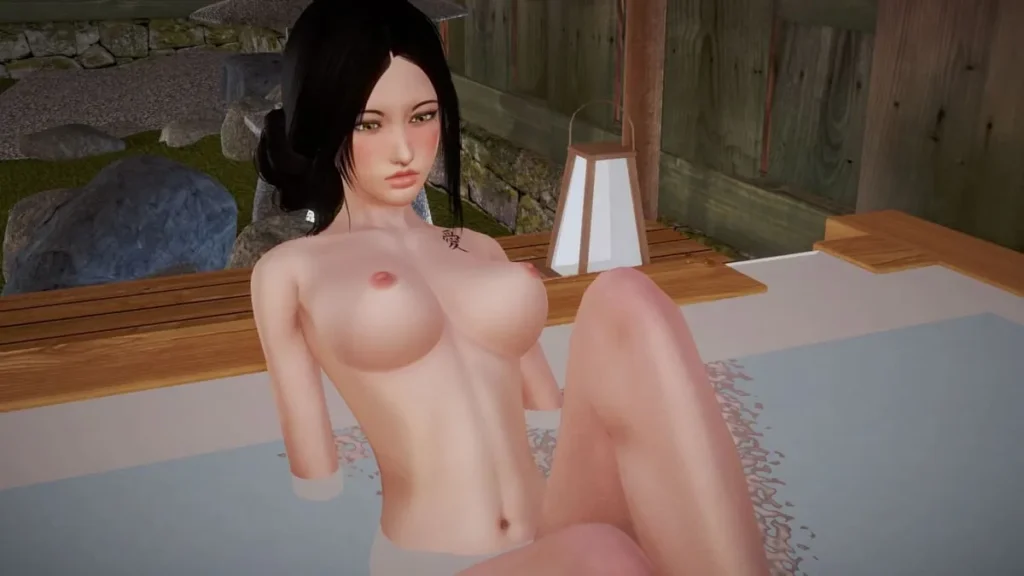
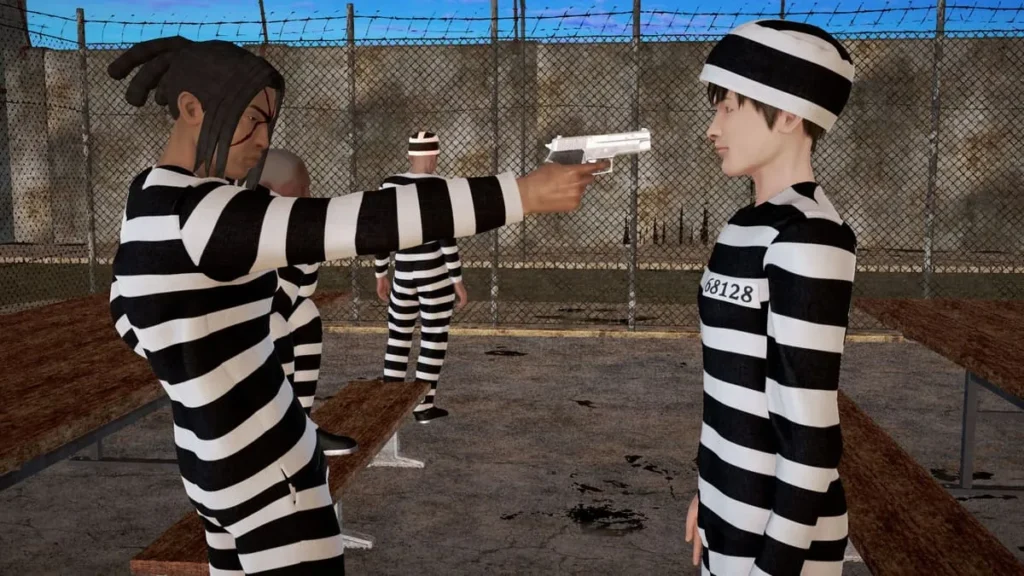
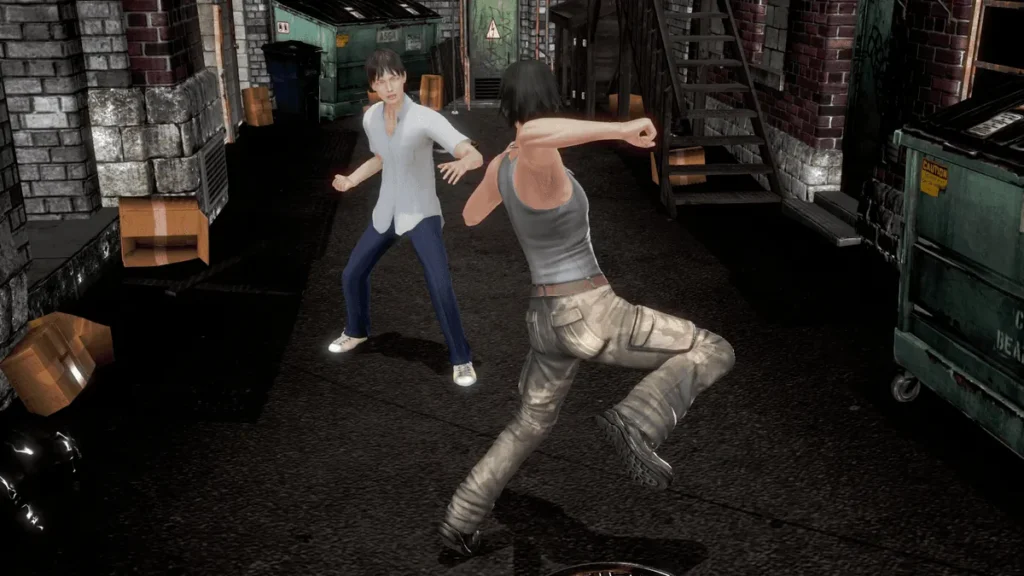
Once in a Lifetime Screenshots














Once in a Lifetime review
Explore the story, gameplay mechanics, and features of this narrative-driven adult adventure
Once in a Lifetime stands out as a story-driven adventure that immerses players in the mysterious town of Mistbury. This narrative-focused experience combines character-driven storytelling with player choice mechanics, allowing you to shape your journey through meaningful decisions. Whether you’re interested in uncovering dark secrets, navigating complex relationships, or experiencing a branching narrative with multiple outcomes, this game delivers an engaging experience that goes beyond surface-level gameplay. Understanding what makes Once in a Lifetime unique helps you decide if this adventure aligns with your gaming preferences.
Understanding Once in a Lifetime: Game Overview & Core Mechanics
Let’s be honest: sometimes you just click through a game, making choices that feel utterly meaningless, only to end up with one of two nearly identical endings. 😒 You’re left wondering, “What was the point of all that?” If you’re fed up with shallow narratives and illusionary choice, then prepare to have your expectations completely reshaped. The Once in a Lifetime game is a breath of fresh air in the genre, a title that truly understands the weight of a decision. It’s not just another visual novel; it’s a personal, haunting, and brilliantly crafted story-driven adventure game that pulls you into its world and refuses to let go.
This guide is your deep dive into what makes this experience so special. We’ll explore the eerie town of Mistbury, break down the genius of its choice systems, and see how your every action weaves a story that is uniquely yours. Forget passive watching—this is about active living within a tale of dark secrets and complex relationships. 🕵️♂️✨
### What Is Once in a Lifetime and Why It Stands Out
At its heart, Once in a Lifetime is a narrative-focused experience where you play as a young person whose family has just relocated to the seemingly quiet town of Mistbury. 🏡 From the moment you arrive, something feels… off. The picturesque facade hides a undercurrent of strangeness, from bizarre local rumors to townsfolk who seem to know more than they let on. This setup is the perfect playground for a choice-based narrative game, where your curiosity—or caution—directly shapes the mystery you uncover.
What sets it apart immediately is its commitment to player agency. This isn’t a story you witness; it’s a story you author through hundreds of big and small decisions. The game masterfully blends elements of supernatural mystery, conspiracy thriller, and heartfelt character drama, all filtered through your personal perspective. The tone can swing from laugh-out-loud funny during a awkward social interaction to genuinely tense and eerie when exploring Mistbury’s darker corners. This balance keeps you emotionally invested, making the mysterious elements feel more personal and the character bonds more real.
To give you a quick snapshot before we dive deeper, here are the key details:
| Specification | Details |
|---|---|
| Primary Platform | PC (Steam, Itch.io) |
| Mobile Availability | Android & iOS versions available |
| Core Genre | Narrative Adventure / Visual Novel |
| Narrative Type | Branching, Choice-Driven |
| Estimated Main Playtime | 12-18 hours per route |
| Key Feature | Consequences that reshape the story and character relationships long-term |
The genius of this Mistbury town mystery game is in its subtlety. The weirdness doesn’t hit you over the head; it seeps in. You might choose to investigate a strange light in the woods, or instead, focus on helping a new friend with their family problems. Both paths are valid, both are richly detailed, and both will lead you to vastly different truths about the town and its inhabitants. This is a world that feels alive and reactive, waiting for you to poke at its seams. 🧩
### Gameplay Mechanics and Player Choice Systems
If the story is the heart of Once in a Lifetime, then its choice and consequence system is the powerful brain and nervous system keeping it all connected. This is where the game transcends from being a great story to being an unforgettable personal experience. The mechanics are elegantly simple on the surface—you read, you’re presented with dialogue options or actions, and you choose. But beneath that simplicity lies a complex web of narrative causality.
The core loop revolves around exploration and interaction. You’ll navigate Mistbury, deciding who to talk to, where to go after school or work, and which leads to follow in the central mystery. Every choice, even those that seem purely social or mundane, is logged by the game’s internal tracking system. This system doesn’t just flag “right” or “wrong” answers; it builds a detailed profile of your character’s personality, relationships, and curiosity level.
Pro Tip: Don’t try to “game” the system on your first playthrough. The most rewarding way to experience Once in a Lifetime is to make choices that feel genuine to you. The game is designed to craft a coherent story around your natural inclinations, whether you’re a skeptic, a romantic, or a relentless detective. 🎯
Let’s talk about the player choice consequences, because this is where the magic happens. The game employs a long-form consequence model. A decision you make in Chapter 2 might not pay off until Chapter 8, and the effect is often organic and narrative-driven, not just a simple “Character A likes you +10.”
Here’s a concrete example from my first playthrough:
Early on, I met a reclusive classmate, Damien, who was being bullied. I had a choice: publicly stand up for him, privately offer support later, or ignore the situation to avoid social drama. I chose the private support route, thinking it was the safer middle ground. This single choice rippled out in ways I never expected. It didn’t just make Damien friendly to me; it altered his entire storyline. Because I showed discreet kindness, he later trusted me with a crucial piece of information about the town’s history that he hides from everyone else. In a friend’s playthrough where they publicly defended him, Damien was grateful but embarrassed, and he shut down, making that information inaccessible. Our paths through the same mystery became fundamentally different. This is branching storyline gameplay at its finest—not about picking a lane, but about creating an entirely new road map.
The relationship system is equally nuanced. Bonds aren’t just about romance (though those paths are deep and satisfying); they’re about friendship, rivalry, mentorship, and suspicion. Your actions determine not only how characters feel about you, but also how they feel about each other, which can unlock unique group dynamics and story scenes. It creates a palpable sense that you are a true agent of change in this digital world.
### Story Structure and Narrative Depth
The narrative architecture of Once in a Lifetime is something to behold. While many games promise a branching story, this one delivers a sprawling, interconnected narrative tree where major plot points, character arcs, and even the tone of the ending are in your hands. The structure is less like a fork in the road and more like a growing, organic vine—each choice sends it climbing in a new direction, with some branches intertwining and others growing alone into the darkness. 🌿
The story begins with a central, driving mystery: what is wrong with Mistbury? But as you play, you realize the game is just as concerned with who you are in this town. The narrative depth comes from the seamless fusion of the macro-plot (the town’s secrets, the lurking conspiracy) with micro-plots (your family dynamic, your part-time job, your academic struggles, your crushes). A scene investigating a creepy old mine might be followed by a tender, awkward moment trying to ask someone out on a date. This contrast isn’t jarring; it’s humanizing. It makes the supernatural elements feel more unsettling because they’re invading a life you’ve worked hard to build.
This is a story-driven adventure game that understands pacing. The reveals are doled out carefully, always feeling earned. You might piece together a minor secret through environmental clues—a newspaper clipping in the library, a passing comment from a town elder—long before the game officially “tells” you. This rewards observant players and makes the world feel meticulously constructed. The branching storyline gameplay ensures that no two players will uncover the secrets in the same order, or even uncover the same secrets at all. Some truths about Mistbury are mutually exclusive; pursuing one clue might permanently close the door on another.
The character arcs are where the writing truly shines. Every major character has a full, evolving story that progresses based on your involvement. You can choose to be the catalyst for their growth, a hindrance to it, or simply a bystander. I was genuinely moved by how a character I initially wrote off as a “mean girl” stereotype revealed layers of vulnerability and complexity because I chose to be persistent and kind with her. The game refuses to give you cardboard cutouts; everyone has motives, fears, and a life outside of your perspective.
Finally, let’s talk endings and replay value. Saying Once in a Lifetime has “multiple endings” is a dramatic understatement. It has multiple categories of endings, influenced by a cocktail of factors: how much of the core mystery you solved, the state of your key relationships, and major moral choices you made in the climax. My first ending was bittersweet and hopeful, having solved the mystery but at a personal cost. My second playthrough, where I focused on romance and ignored the darker threads, resulted in a happier, more personal conclusion but left the grand conspiracy intact—a totally different emotional punch.
This design creates immense replay value. A single complete playthrough can take a solid 15 hours, but to see all the major story variations, you’re looking at 50+ hours of content. And it never feels like a chore, because each new path reveals entirely new scenes, dialogues, and character dimensions. You’re not replaying; you’re rediscovering. 🔄
From its masterful balancing of mystery and heart to its revolutionary approach to player choice consequences, Once in a Lifetime sets a new standard for what a narrative game can be. It’s a compelling Mistbury town mystery game that understands its strength lies not in forcing you down a single, polished path, but in giving you the tools to carve your own unique journey through its rich, unsettling, and deeply human world. This Once in a Lifetime review can only scratch the surface—the real magic is in playing it, living it, and seeing the story only you can create.
Once in a Lifetime delivers a compelling narrative experience centered on player agency and meaningful choices within the atmospheric setting of Mistbury. The game’s strength lies in its character-driven storytelling, where your decisions genuinely impact relationships, story outcomes, and the overall narrative arc. Whether you’re drawn to mystery-solving, character development, or exploring multiple branching paths, this adventure offers substantial replay value and emotional engagement. If you appreciate story-focused games where your choices matter and you’re interested in uncovering dark secrets through an immersive narrative, Once in a Lifetime provides a memorable experience worth exploring. Consider starting your journey in Mistbury and discovering how your choices shape the unfolding story.