
Subverse Screenshots

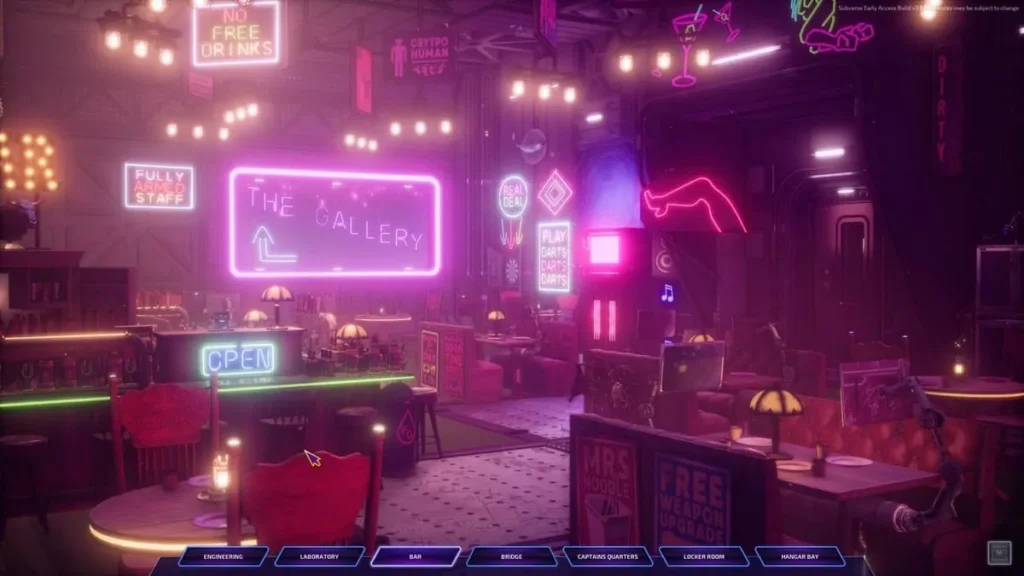
Subverse review
A comprehensive guide to the hybrid gameplay, storyline, and features of this unique sci-fi title
Subverse stands out as a distinctive entry in the gaming landscape, blending tactical role-playing mechanics with shoot ’em up action in a science fiction setting. Developed by FOW Interactive and published by Streembit Ltd, this game launched in early access on Steam in March 2021 and reached its full 1.0 release in November 2024. The title combines visual novel-style storytelling with strategic grid-based combat and arcade-style space battles, set in the fictional Prodigium Galaxy. With its unique hybrid gameplay approach and substantial crowdfunding success, Subverse has generated significant interest among players looking for something unconventional. This guide explores the game’s mechanics, narrative, development journey, and what makes it a notable title in the gaming industry.
Gameplay Mechanics: Understanding the Hybrid Combat System
Alright, let’s be honest. When you first boot up Subverse, you might be wondering, “How does Subverse combat work, exactly?” 🤔 It’s a fair question! One minute you’re commanding a squad on a grid, thinking tactically, and the next you’re blasting through waves of enemy fighters in your starfighter. It’s a wild mix, and that’s precisely what makes it so refreshing. Sticking to just one genre is so last century, right?
This chapter is your backstage pass to the game’s brilliant, braided heart. We’re tearing down the Subverse combat mechanics piece by piece, from the chess-like strategy of ground missions to the heart-pounding chaos of space. By the end, you’ll not only understand the systems but have a solid game plan to tackle them. Let’s dive in.
Tactical Grid Combat and Strategic Depth
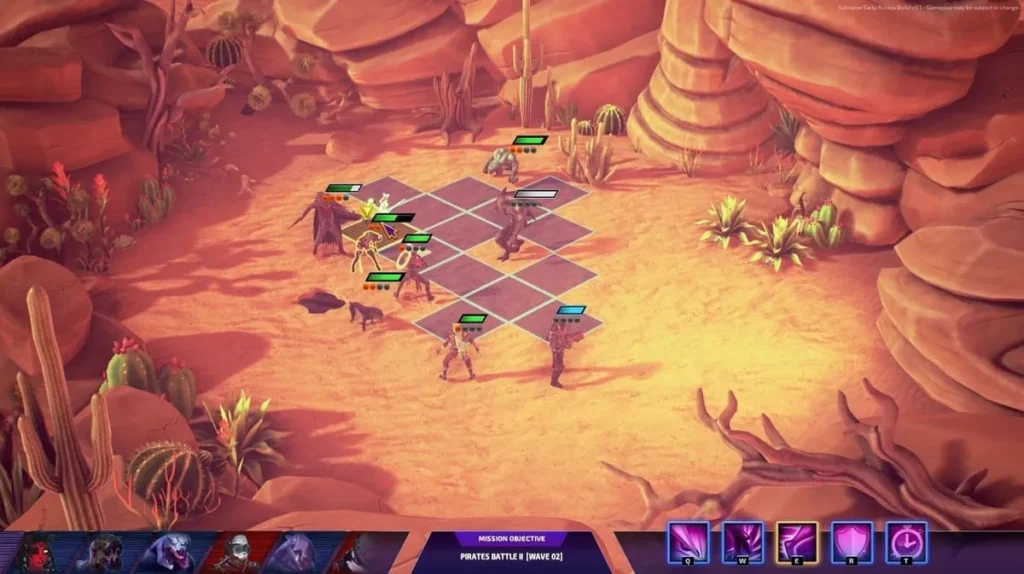
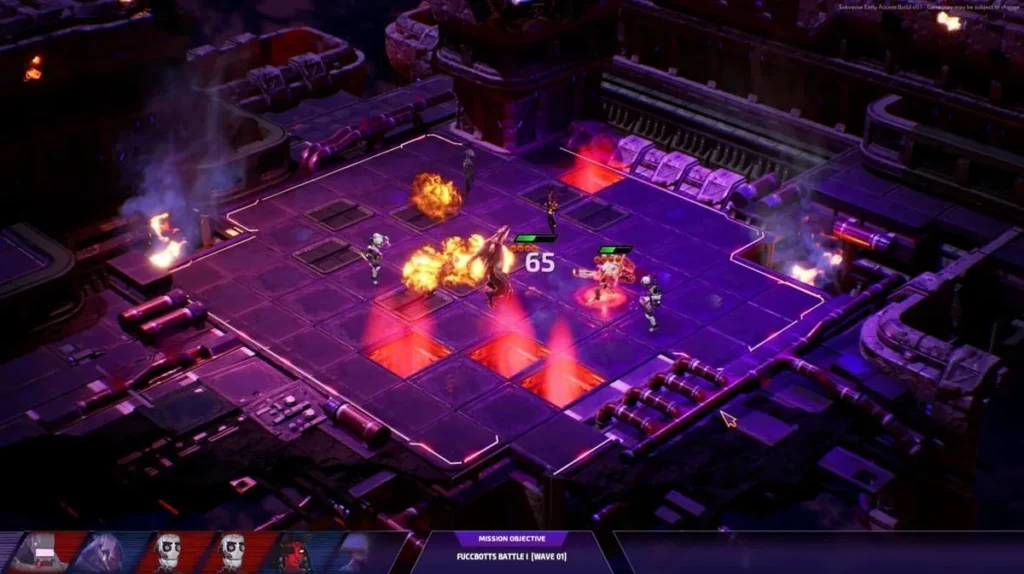
Forget everything you think you know about turn-based battles. The tactical grid combat in Subverse is less about slowly chipping away at a health bar and more about controlling a dynamic, ever-changing battlefield. I learned this the hard way on my first real mission. I positioned my crew, took a few pot-shots at the nearest enemy, and then… the entire back wall of the arena lit up. Reinforcements. Waves of them. Suddenly, my careful formation was surrounded. Game over. 💥
This is the core of the ground game: attack tempo. You aren’t just fighting the enemies on the board; you’re fighting against a reinforcement counter that ticks down every time you or an enemy takes an action. The slower you are, the more enemies spawn in. It creates this fantastic pressure where you must be aggressive, decisive, and smart. It’s not about finding the perfect, safest move—it’s about finding the most effective move to clear the board before you’re overwhelmed. Each character you bring has a unique move set, from close-range powerhouses to long-range snipers, and using their abilities in synergy is key to maintaining that crucial momentum.
The strategic depth here is immense. You need to consider line of sight, elevation advantages, and the unique properties of each attack. Some moves can hit multiple enemies in a line, others can pin a target down, preventing them from acting. Choosing which enemy to focus fire on to reduce incoming damage, versus which one to disable to buy time, is a constant, engaging puzzle. Mastering this tactical grid combat is the first pillar of success in Subverse.
To help visualize the split personality of this game’s action, here’s a breakdown of its two core combat modes:
| Aspect | Tactical Grid Combat | Space Shooter Gameplay |
|---|---|---|
| Primary Focus | Positioning, ability synergy, and reinforcement management. | Reflexes, pattern recognition, and resource (health/shield) conservation. |
| Character Role | Each crew member is a distinct unit with unique active and passive abilities. | The pilot (you) controls the Mary Celeste or other craft; crew abilities become ship-mounted special weapons. |
| Strategic Consideration | Order of operations is critical. Who acts first can decide the battle. Target priority is based on enemy type and threat. | Weapon selection for the mission (homing vs. beam), managing special weapon cooldowns, and using the environment for cover. |
| Key Mechanic | The Reinforcement Timer. Every action advances it, triggering new enemy waves. | Strafing. Lateral movement is essential for dodging dense bullet patterns and lining up shots. |
Space Shooter Sections and Arcade Action
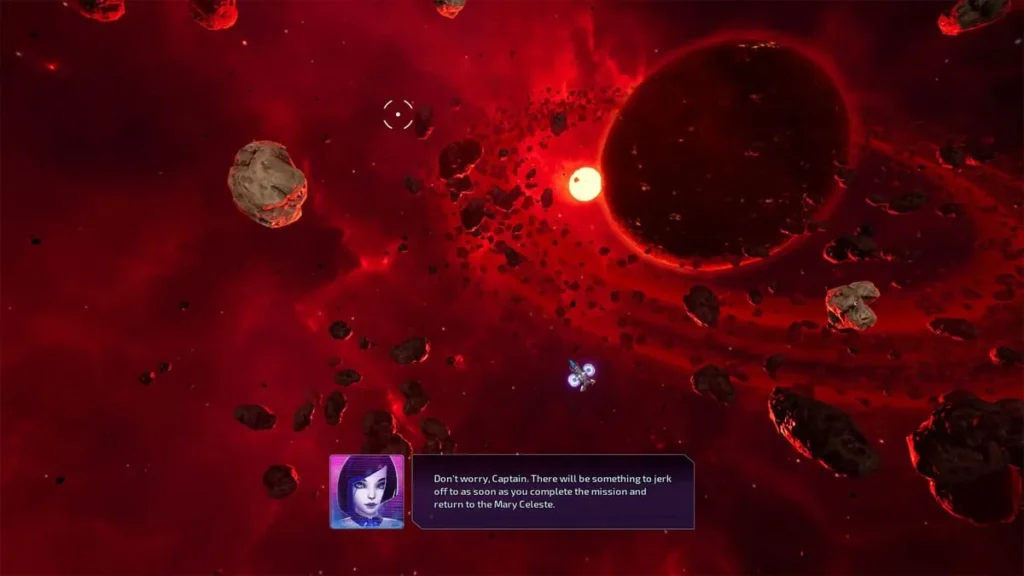
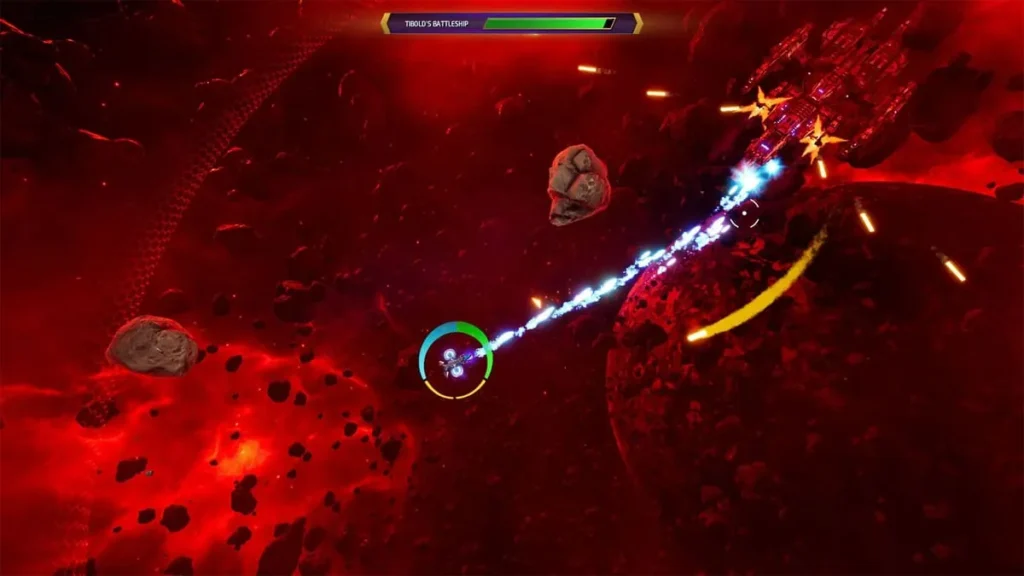
Just when your brain needs a break from strategic thinking, Subverse throws you into the cockpit. The space shooter gameplay is a glorious, full-throttle tribute to classic arcade shmups, and it’s an absolute blast. ✨ This isn’t a mere mini-game; it’s a fully-fledged second pillar of the Subverse combat mechanics.
You’ll encounter three main flavors of this shmup gameplay: vertical-scrolling corridors where you dive towards a target, side-scrolling assaults on capital ships, and free-roaming arena battles. My personal favorite are the free-roaming sections. You’re unleashed in a 3D space, weaving between asteroids for cover while enemy fighters swarm you from all directions. The sense of speed and freedom is incredible.
The core mechanics are simple to learn but tough to master. You have a main forward gun, but the real skill comes from strafe firing. By holding the strafe key, you can fire laterally while moving independently. This lets you orbit larger enemies, staying out of their firing arcs while whittling them down. It feels incredibly slick once you get the hang of it. Furthermore, your recruited crew doesn’t just sit out these sections. Their loyalty and progression unlock powerful special attacks for your ship—a huge missile barrage from one character, a defensive drone from another. Managing these cooldowns is the strategic layer that elevates the pure reflex action.
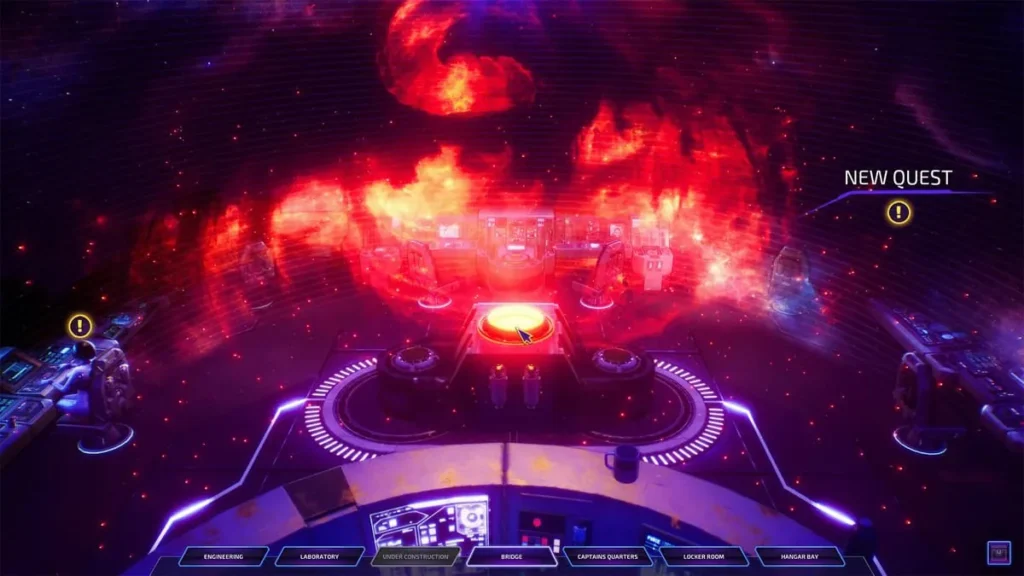
This space shooter gameplay is also how you explore the gorgeous, and often dangerous, galaxy. You navigate the cosmos from the bridge of your home, the Mary Celeste, traveling between planets and locations via shimmering warp gates. These journeys aren’t always peaceful, leading to unexpected encounters that test your piloting skills. It perfectly breaks up the pacing, ensuring the gameplay never feels monotonous.
Character Progression and Crew Management
This is where Subverse truly becomes your adventure. The crew management system isn’t just a menu; it’s the soul of your journey. You recruit a roster of formidable female companions, each with a deeply defined personality, backstory, and—most importantly—a completely unique fighting style for both combat types. 🚀
On the grid, one character might be a berserker who gains power from taking damage, while another is a tech specialist who can hack enemies or deploy turrets. In the space shooter gameplay, their unique traits translate into the special ship weapons I mentioned earlier. Your choice of squad for each mission isn’t just about power levels; it’s about crafting a team whose abilities complement each other and counter the specific enemies you’ll face. Bringing the wrong crew can turn a simple mission into a nightmare, which really makes your choices feel weighty.
The character progression Subverse employs is twofold. First, you have direct leveling from combat, which improves base stats and unlocks new, more powerful abilities for both ground and space combat. Second, and more intriguing, is the Loyalty system. This isn’t just a number; it’s a measure of your bond with each crew member, increased through story interactions, your choices in dialogue, and spending time with them in the Pandora system. Higher Loyalty doesn’t just unlock more of their personal story—it directly enhances their combat performance, unlocking passive bonuses and ultimate abilities.
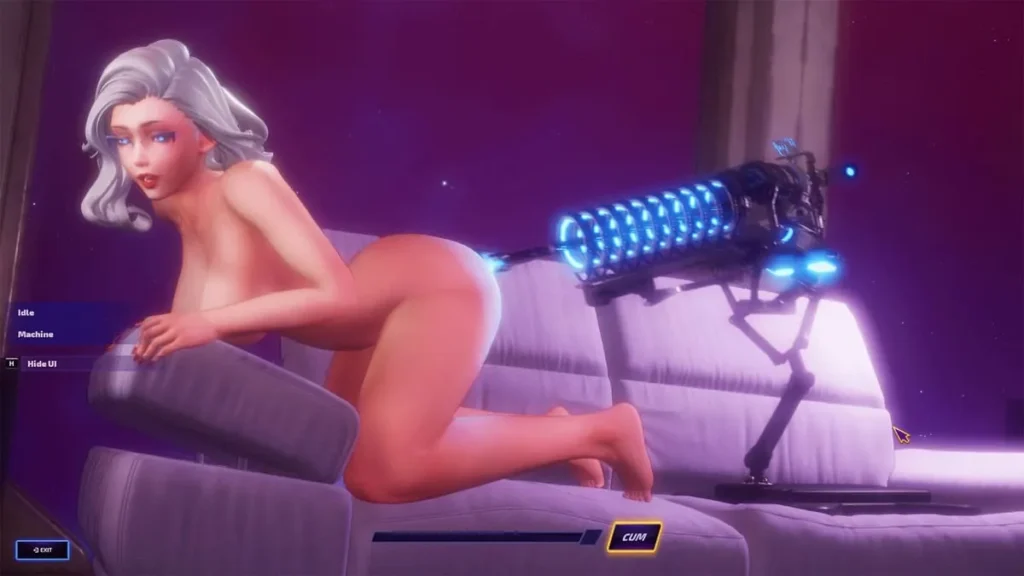
Ah, Pandora. This is your interstellar sanctuary. Think of it as your personal, highly customizable interactive catalog. Here, you can arrange scenes and interactions with your crew members, which serves as both a reward and a primary method for boosting their Loyalty. It’s a clever loop: you fight together to strengthen your bond, and that strengthened bond helps you fight better.
Finally, let’s talk about mission rewards and how does Subverse combat work in terms of progression velocity. Every mission you complete is graded with a star rating (typically up to three stars). This rating isn’t just for bragging rights. ⭐ The higher your star rating, the more points you earn. These points are the primary currency for unlocking new story chapters, features in Pandora, and other game content. It creates a brilliant balance: you can blast through the story if you want, but to see everything the game has to offer, you’re incentivized to master its mechanics, replay missions for a perfect score, and truly engage with the depth of the Subverse combat mechanics. It’s a system that respects your time while rewarding your skill.
- Master the Tempo: In tactical grid combat, your priority is always speed. Plan moves that damage multiple enemies or use disabling effects to control the reinforcement flow.
- Strafing is Life: In space shooter gameplay, never stop moving laterally. Use strafe firing to maintain offense while dodging.
- Synergize Your Squad: Your crew management system choices define your playstyle. Build teams where abilities chain together (e.g., a character that groups enemies followed by one with an area-of-effect attack).
- Invest in Loyalty: Character progression Subverse is powered by both XP and Loyalty. Don’t neglect Pandora interactions—they provide major combat power spikes.
- Adapt Your Loadout: Before each shmup section, check your available special weapons. Match them to the mission—homing missiles for swarms, beam lasers for armored targets.
- Replay for Mastery: Go back to old missions with a stronger crew and better skills to hunt for those 3-star ratings and accelerate your point income.
The genius of Subverse’s gameplay is that it never asks you to be just one type of player. Are you a thoughtful tactician? The grid battles await. Do you crave fast-paced, reflex-testing action? The shmup gameplay features will get your heart racing. By tying it all together with a deeply personal crew management system and meaningful character progression, the game creates a loop that’s consistently engaging and rewarding. It’s a hybrid that works because each piece is crafted with care and then woven together into something greater than the sum of its parts. Now, get out there, Captain, and show the galaxy what your crew can do.
Subverse represents a distinctive approach to game development, successfully merging tactical role-playing mechanics, space shooter action, and visual novel storytelling into a cohesive experience. From its impressive Kickstarter campaign that raised over £1.6 million to its full 1.0 release in November 2024, the game has demonstrated that quality gameplay and production values can coexist with mature content. The hybrid combat system delivers arcade-style action with strategic depth, while the Prodigium Galaxy setting provides an engaging narrative framework centered on rebellion against authoritarian control. With 239 customizable scenes, extensive crew management systems, and ongoing developer support, Subverse offers substantial content for players seeking something unconventional. Whether you’re drawn to the tactical combat, the space exploration elements, the character-driven storytelling, or the complete package, Subverse has carved out a unique niche in the gaming landscape. For those interested in exploring this title, both Steam and GOG.com offer access to the full game, allowing you to experience the complete vision that FOW Interactive has created.