TableTop BornStar
Play TableTop BornStar
TableTop BornStar Screenshots




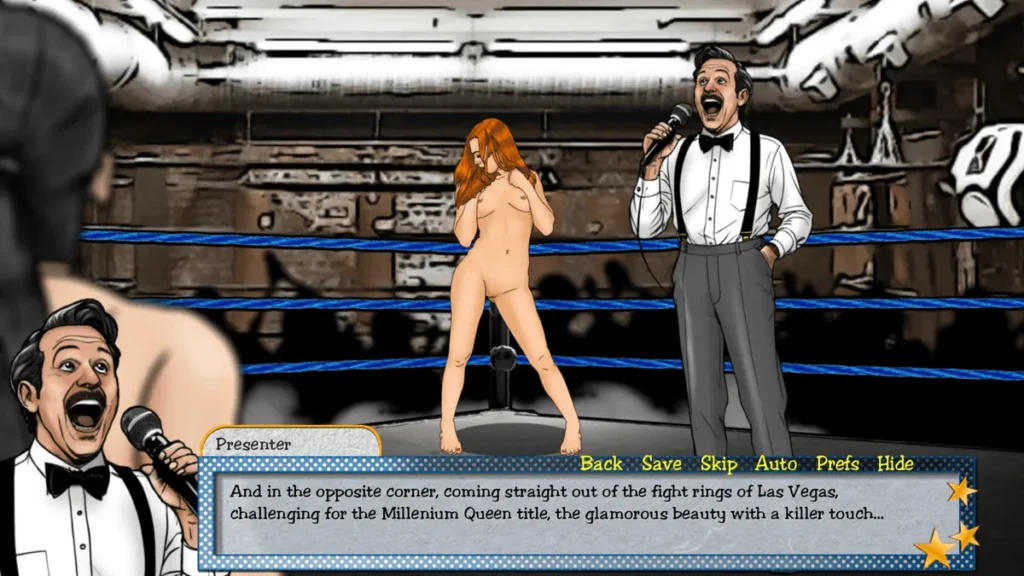

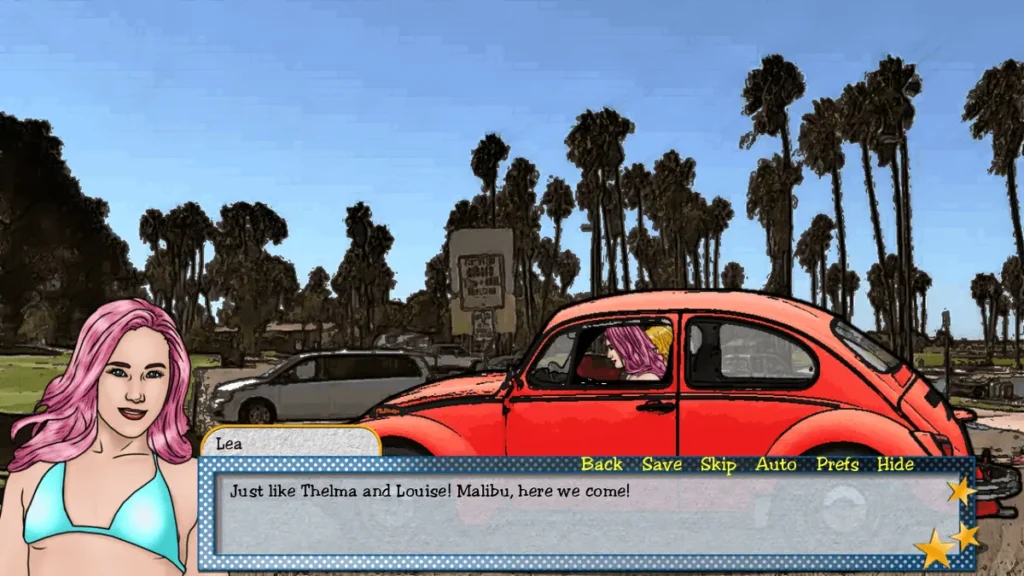
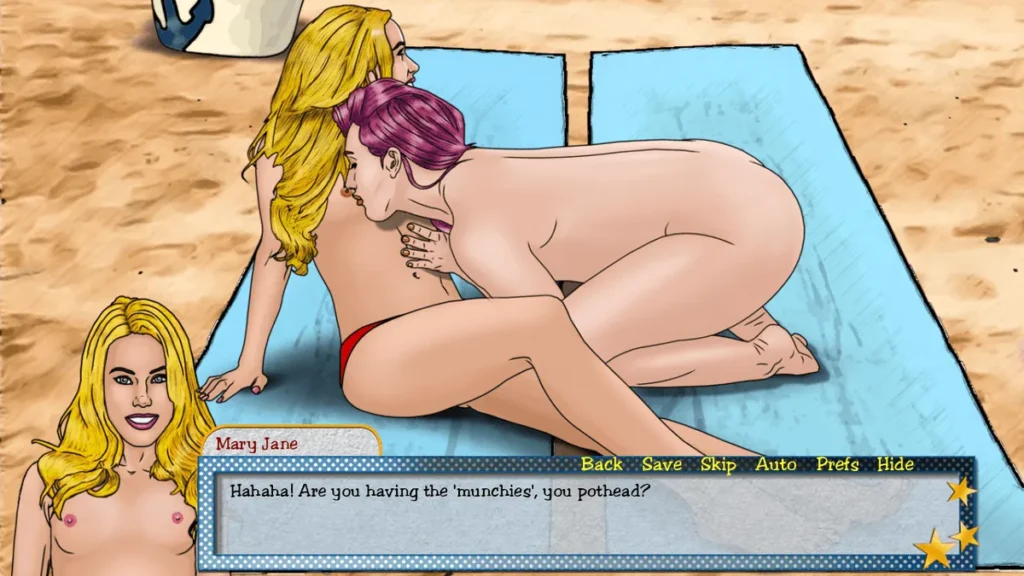
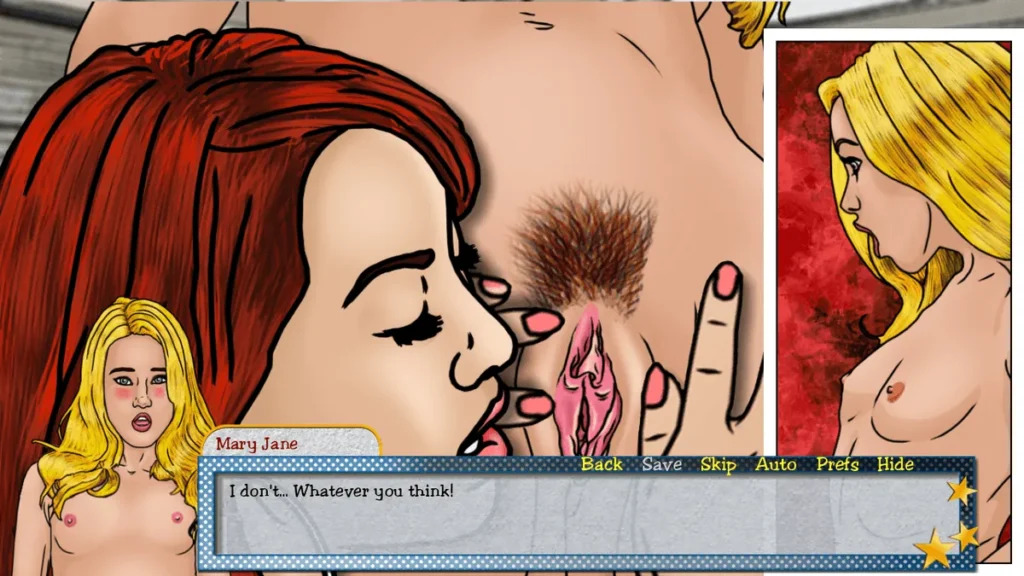








TableTop BornStar review
Dive into Hollywood’s Dark Side with Dice, Cards & Choices
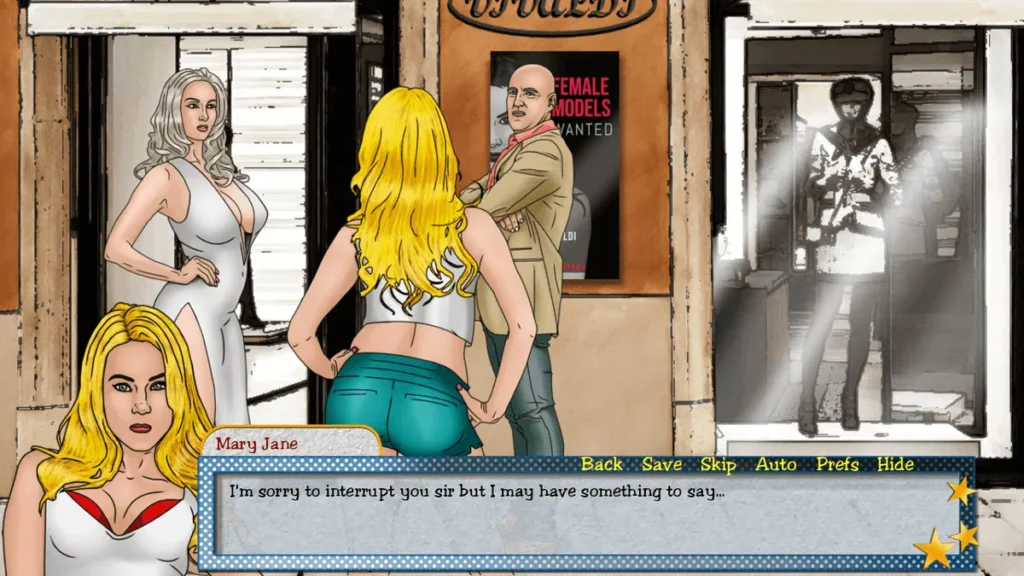
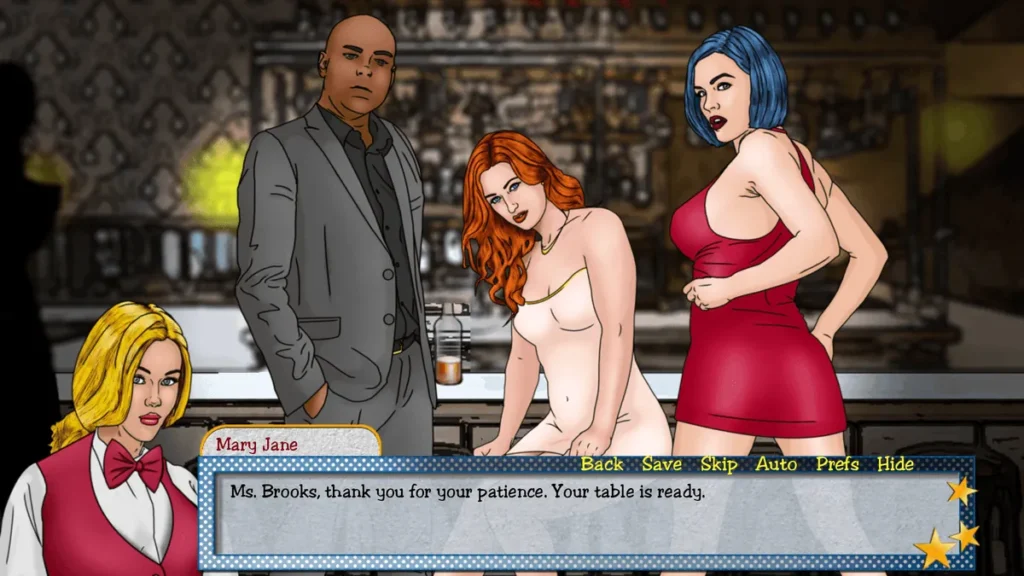
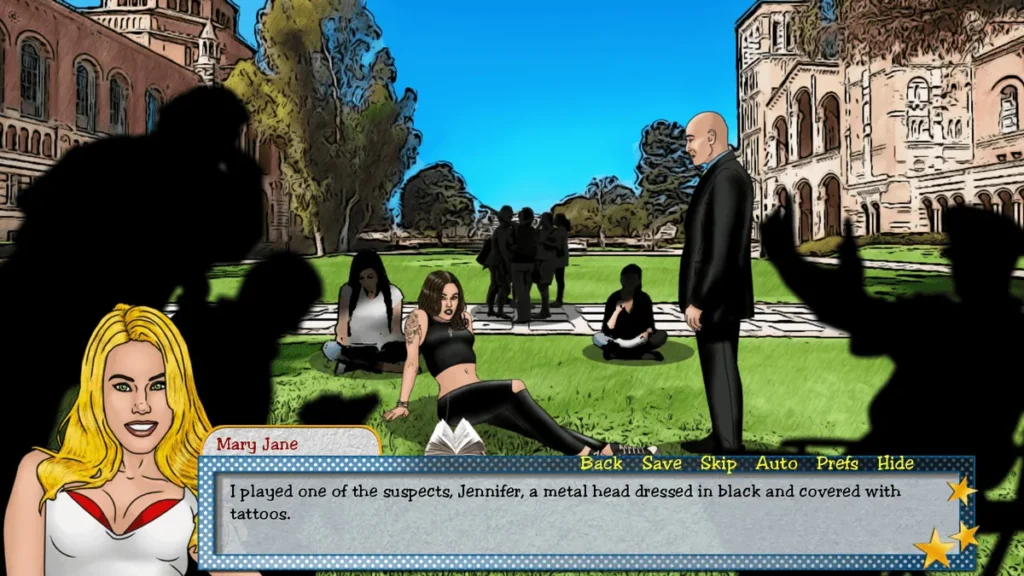
Hey there, fellow gamers! Ever dreamed of wheeling and dealing in the shadowy underbelly of 1999 Hollywood? TableTop BornStar hooked me from the first dice roll. As a washed-up talent agent under house arrest, you guide ambitious Mary Jane to stardom using clever tabletop mechanics like dice and cards blended into an adult visual novel. I remember my first playthrough—those moral dilemmas had me sweating! This guide uncovers everything: unique gameplay, captivating story, stunning visuals, and tips to master multiple endings. Ready to corrupt or uplift? Let’s roll!
What Makes TableTop BornStar Gameplay So Addictive?
I’ll never forget my first real dice roll in TableTop BornStar. Mary Jane, my bright-eyed client, had just been offered a “sure thing” late-night infomercial gig. It paid terribly but promised “exposure.” My job, as her house-arrested talent agent, was to advise her. I could play it safe and let her take it, or I could roll the dice to push for something better—a last-minute audition for a real teen drama. Greedy for a bigger commission, I grabbed the dice. The clatter on my desk felt like thunder in my quiet home office. I needed a 5 or 6. I rolled a 1. 😬
Instead of the audition, my catastrophic failure meant Mary Jane, insulted by my overreach, almost walked away entirely. I had to play a precious “Second Chance” card just to keep her. It was a brutal, brilliant lesson: in this Hollywood tabletop game, every roll matters, and every choice echoes. This is the heart of TableTop BornStar gameplay—a compelling mix of chance, strategy, and narrative consequence that keeps you saying “just one more turn” until 3 AM.
How Dice and Cards Drive Your Hollywood Journey
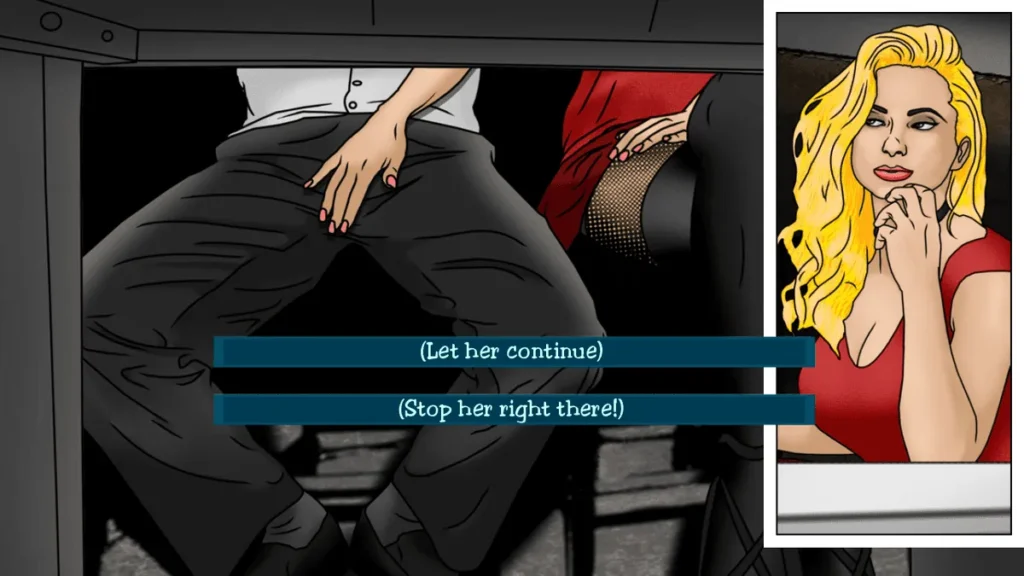
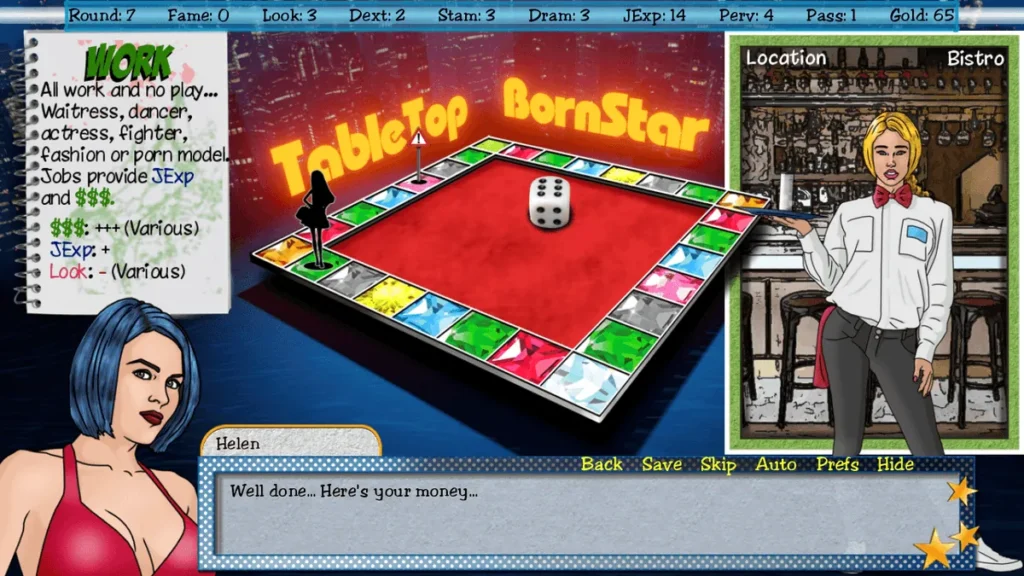
At its core, how to play TableTop BornStar is about managing two powerful tools: dice and a personal deck of cards. You’re not just reading a story; you’re actively building it through a hybrid of tabletop mechanics and visual novel dice rolls. Each story beat presents a challenge. Want Mary Jane to nail a difficult audition scene? You’ll roll a die. Want to schmooze a cynical director at a party? That’s a roll too.
But here’s where the strategy kicks in: you don’t just roll blindly. Before a visual novel dice roll, you can almost always play a card from your hand. These cards represent your agent’s resources—industry contacts, fabricated press leaks, blackmail material, or sincere coaching advice. Play a “Paparazzi Frenzy” card and then roll successfully? You’ll generate massive buzz, but it might add “Scandal” tokens to Mary Jane’s profile. Play a “Quiet Coaching” card? The benefits are smaller but safer.
The magic is in the combination. A high dice roll paired with a powerful card can unlock incredible story branches, like landing a role in a major studio film. A low roll, even with a good card, might lead to a “success at a cost” scenario—she gets the job, but now the director owns you a favor. This dice and cards mechanics system means no two playthroughs are the same. You’re constantly weighing risk versus reward, trying to stack the odds in your favor for Mary Jane’s next big break.
| Dice Roll | Card Play Example | Story Branch Outcome | Pro Tip |
|---|---|---|---|
| 6 (Critical Success) | “A-List Recommends” (Reputation Card) | Mary Jane wins the lead role and gains a powerful mentor. Opens a new “Blockbuster” story arc. | Save your highest-reputation cards for the most important auditions you can find. |
| 4-5 (Success) | “Tabloid Leak” (Corruption Card) | She gets the part, but her relationship with a co-star starts on rocky, jealous ground. Gains “Notorious” status. | Good for short-term gain, but manage the “Notoriety” meter or it will limit future roles. |
| 2-3 (Mixed Success) | “Sincere Pep Talk” (Virtue Card) | She doesn’t get the role, but her genuine effort impresses the casting director, who promises to call for the next project. | These “soft fails” are often better than a pure failure. They build long-term narrative equity. |
| 1 (Critical Failure) | Any Card | The move backfires spectacularly. She humiliates herself at the audition and loses a chunk of public goodwill. May require a “Damage Control” action next turn. | Always have at least one “Get Out of Jail” card (like “Second Chance” or “Misdirection”) in your hand for emergency re-rolls. |
Mastering Choices: Corrupt or Champion Mary Jane?
The dice and cards create the how, but the TableTop BornStar choices you make define the who—who you are as an agent, and who Mary Jane becomes as a star. This isn’t just a game about fame; it’s a game about morality in a system designed to crush it. Every session forces you to confront the core dilemma: do you exploit her dreams for your own quick gain, or do you help her genuinely, even if it’s slower and harder?
Early on, you might be offered a simple choice: do you let Mary Jane spend her weekend volunteering at a community theater (building her skills and integrity) or send her to a VIP party where she can be “noticed” by a known creep with production power? The game doesn’t judge you overtly. Instead, it tracks your path through hidden meters like “Integrity,” “Notoriety,” and “Exploitation.” Your TableTop BornStar gameplay strategy must account for these invisible scores, as they will lock or unlock entire story chapters and endings.
Here are 5 quick TableTop BornStar strategy tips for managing these pivotal choices:
- Balance Your Deck: Don’t load up on only Corruption or only Virtue cards. You need a flexible hand to handle different social situations and moral dilemmas. A purely virtuous agent can’t play the dirty Hollywood game, and a purely corrupt one will burn every bridge.
- Read the Room (Text): Before a big choice, the game often drops hints. Is a character described as “slick” or “earnest”? Does the opportunity seem “too good to be true”? The narrative prose is your best strategic guide.
- The Power of “No”: Sometimes, the most powerful strategic move is to reject a plot hook entirely. Turning down a shady deal might close one door but open a more authentic, rewarding path two chapters later.
- Save Scum (Strategically): > The game autosaves, but before a major story junction with a big dice roll, it’s perfectly valid to create a manual save. Think of it as your agent’s “gut feeling.” This lets you experience different branches of TableTop BornStar choices and learn the consequences without committing your main playthrough.
- Invest in Mary Jane: Choices that spend resources to improve her skills (acting, singing, resilience) are almost always a good long-term investment. A more skilled Mary Jane has better base odds on her dice rolls, making your job easier.
Why TableTop Mechanics Elevate Visual Novels
So, why does this Hollywood tabletop game feel so much more gripping than a standard visual novel? It boils down to agency and tension. In a traditional visual novel, you make a choice and see the consequence. In TableTop BornStar, you make a choice, then you have to fight for it with dice and cards. You’re not just picking dialogue option A or B; you’re personally responsible for making that choice succeed.
That audition for the cult indie film? You chose it because it aligns with her artistic goals (a moral choice). Now, you have to roll to see if she connects with the avant-garde director. The physical act of rolling creates a palpable nervousness that a mouse click never could. When you succeed, you feel like a genius strategist. When you fail, it feels like a personal, heartbreaking setback. This fusion is the secret sauce of TableTop BornStar gameplay.
It also creates insane replayability. With multiple endings ranging from “Oscar-Winning Icon” to “Broken Reality TV Star” to “You Both End Up in Jail,” and dozens of story branches dictated by your rolling luck and card management, your second playthrough can feel like a completely different Hollywood tabletop game. Maybe this time, you’ll be the ruthless agent who trades her dignity for tabloid covers, using every corrupt card in the deck to manipulate the system. The dice and cards mechanics ensure that even with the same choices, the journey won’t be identical.
Ultimately, TableTop BornStar stands out because it makes you feel the weight of Hollywood. The thrill of a lucky break, the crushing despair of a public failure, the slow corrosion of your ethics for a taste of power. It’s not just a story you witness; it’s a story you build and gamble on, one dice roll and one agonizing choice at a time. And that’s an addiction that’s very hard to break. 🎲✨
There you have it—TableTop BornStar isn’t just a game; it’s a thrilling ride through 1999 Hollywood’s glitz, grit, and tough choices. From dice-fueled tabletop battles to shaping Mary Jane’s fate, every roll pulls you deeper into this adult visual novel masterpiece. I’ve sunk hours into different paths, and each one feels fresh. Whether you chase corruption or redemption, the replay value is endless. Grab the latest version, fire it up, and start your agent legacy today. What’s your first big decision gonna be? Share in the comments—I’d love to hear your stories!