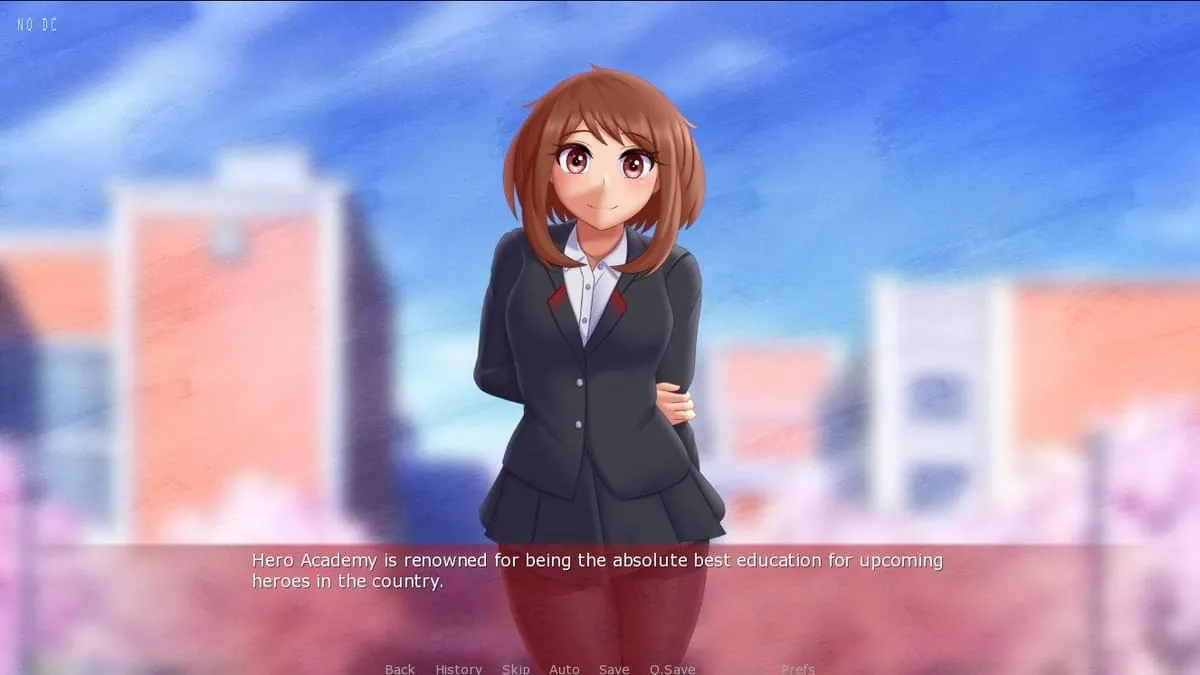
Twisted Memories
Play Twisted Memories
Twisted Memories Screenshots
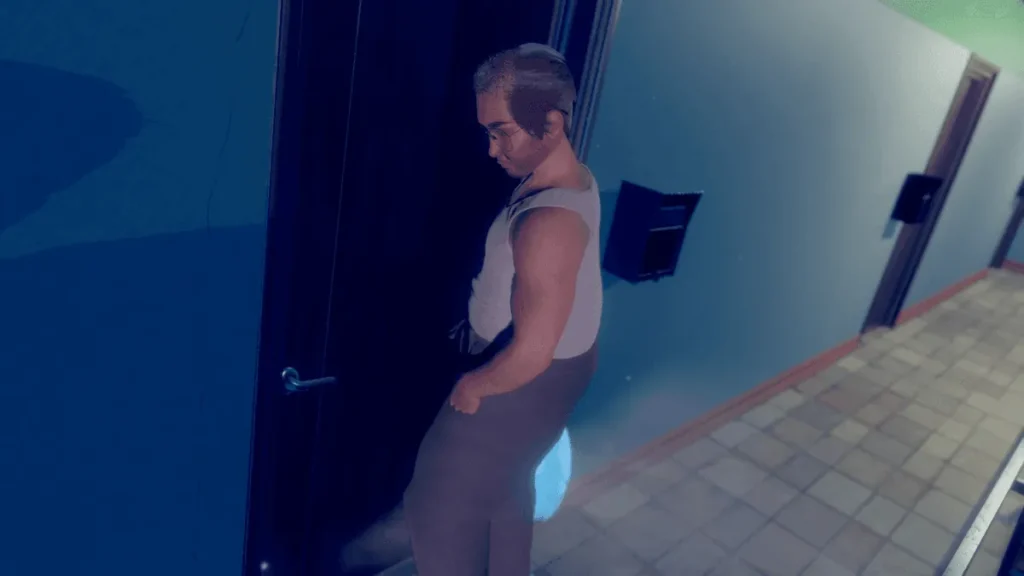
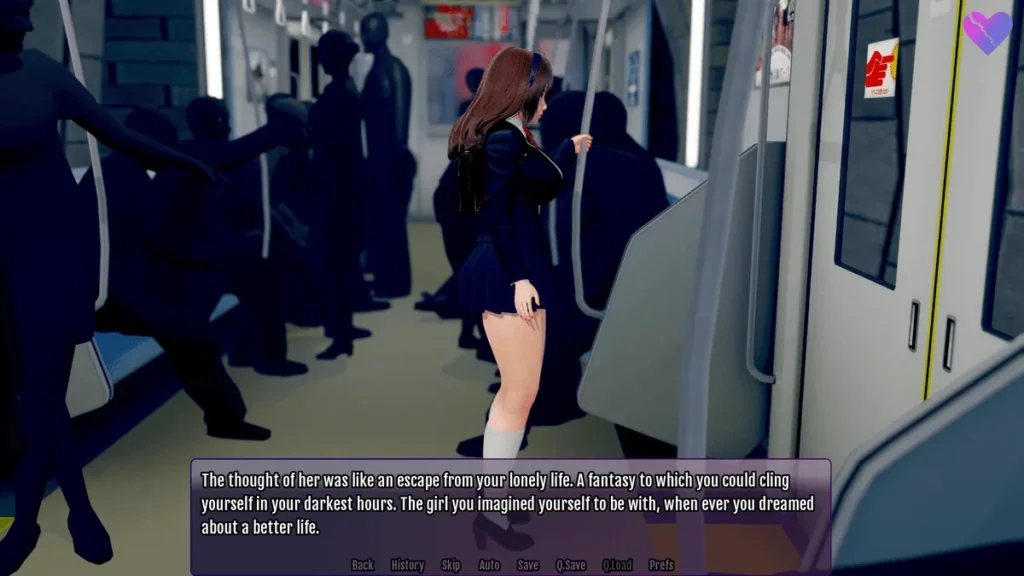

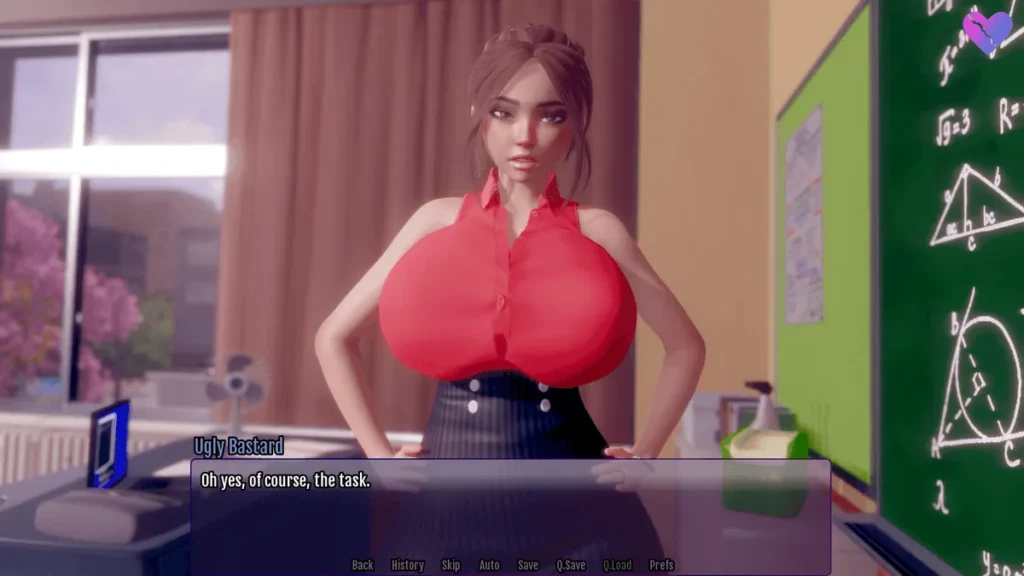




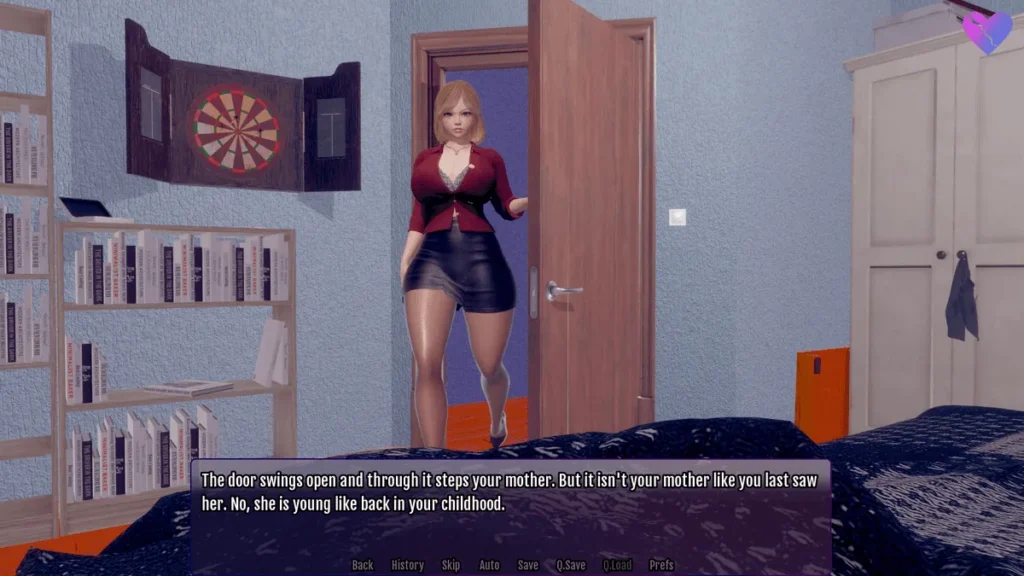
Twisted Memories review
Explore the narrative-driven adventure that transformed player expectations
Twisted Memories stands out as a narrative-focused adventure that prioritizes storytelling over traditional gameplay mechanics. Players discover that their initial expectations shift dramatically as they progress through the game’s compelling narrative. The experience combines character development, emotional depth, and engaging story progression that resonates with players seeking meaningful interactive fiction. Whether you’re new to story-driven games or a seasoned player, understanding what makes Twisted Memories distinctive helps you appreciate its unique approach to game design and narrative delivery.
Understanding Twisted Memories: Core Gameplay & Narrative Structure
Remember that feeling when you finish a game and just sit there, stunned, as the credits roll? Your controller rests in your lap, and the story’s echoes are still vibrating in your mind. That’s the specific magic Twisted Memories weaves. It’s not just a game you play; it’s a story you live through, a psychological journey that redefines what a story-driven adventure game can be. 🎭
If you’re coming from traditional action titles or even standard visual novels, this experience will feel radically different. Forget grinding for XP or mastering complex button combos. Here, your most important tool is your empathy, and your primary objective is understanding. This chapter is your guide to the heart of Twisted Memories narrative gameplay, showing you how its mechanics, structure, and character work together to create an unforgettable interactive fiction experience.
What Makes Twisted Memories Different From Traditional Games
Most games are built on a foundation of clear rules: jump here, shoot that, collect those things. Twisted Memories throws that rulebook out the window. Its core design philosophy is that every interaction, every choice, and every mechanic must serve the narrative. This isn’t a game with a story tacked on; it’s a story that uses gameplay as its language.
From the very first scene, you’ll notice the shift. There’s no health bar, no mini-map cluttered with icons. Instead, you’re presented with a mood, a lingering sense of unease, and fragments of memory. The story-driven adventure game mechanics are subtle yet profound. You might “examine” a dusty photograph not to add an item to a inventory, but to trigger a visceral, fragmented flashback that alters your perception of a character. Dialogue choices aren’t about finding the “correct” path to victory, but about defining your relationship with other characters and, ultimately, with the protagonist’s own fractured psyche.
I recall my first hour with the game. I was instinctively searching for a quest log or an objective marker. It never appeared. Instead, the game asked me to simply be in its world. To linger in a quiet room, to listen to the cadence of a character’s voice, to piece together clues from environmental storytelling. The objective shifted from “complete the task” to “understand the truth.” This is the hallmark of top-tier narrative-focused adventure games. The challenge is intellectual and emotional, not reflexive.
The game masterfully uses its emotional storytelling game design to pull you in. Sound design, music that swells and recedes with your discoveries, and deliberate visual filters all work in concert. A choice as simple as deciding to “remember” or “repress” a painful moment isn’t just a binary switch; it changes the game’s visual palette and the tone of subsequent conversations, making you an active participant in the protagonist’s mental state.
| Traditional Adventure Game | Twisted Memories’ Approach |
|---|---|
| Puzzle-solving to unlock the next area. | Emotional or conversational breakthroughs to unlock new memories and perspectives. |
| Inventory management with usable items. | A “memory inventory” where key recollections can be revisited and reinterpreted. |
| Branching dialogue leading to “good” or “bad” endings. | Nuanced dialogue shaping the protagonist’s self-awareness and relationships, leading to profoundly personal endings. |
| Clear antagonist and defined conflict. | Internal conflict, with the past and one’s own perceptions as the primary adversary. |
How Story-Driven Gameplay Evolves Throughout Your Playthrough
The genius of Twisted Memories narrative gameplay is that it evolves with you. It meets you where you are—perhaps curious, a little confused—and gradually teaches you how to engage with its world on a deeper level. The playthrough isn’t linear; it’s an arc of comprehension.
Phase 1: Observation & Disorientation 🧩
The opening acts are deliberately opaque. You’re given control of a character grappling with memory loss or trauma. The environments feel familiar yet alien. Gameplay here is about exploration and gathering fragments. You click, you listen, you absorb. The story-driven adventure game mechanics are at their most basic: look, interact, think. This stage sets the emotional tone and establishes the core mystery.
Phase 2: Connection & Hypothesis 🔗
As you collect more memory shards and have more conversations, patterns emerge. You start forming theories about what happened. The gameplay expands to include more active reflection. You might enter a “Memory Locus”—a dedicated space where you can mentally rearrange your collected memories, literally piecing the story together. Your choices in dialogue become more charged because you now have context, and you begin to care about the Twisted Memories character relationships.
Phase 3: Revelation & Catharsis 💥
The final act is where all the subtle mechanics pay off. The game often removes even the pretense of traditional interaction. It becomes a directed, powerful narrative sequence where your earlier choices and discovered truths collide. The pacing shifts, revelations come rapidly, and the emotional storytelling game design reaches its peak. You are no longer just solving a mystery; you are experiencing its emotional fallout firsthand. The “gameplay” here is fully embodied in the act of witnessing and feeling.
A Real Player’s Journey: Take Alex, a player who started the game expecting a mystery to solve. “I went in looking for a villain to blame,” they shared. “For the first few chapters, I was frustrated. Where was the action? Where was the culprit? But slowly, as I kept choosing dialogue options focused on comfort rather than accusation, the game opened up. A character who was initially cold began sharing vulnerable memories. I realized my objective wasn’t to find a ‘who,’ but to understand a ‘why.’ By the end, I wasn’t just appreciating the narrative; I felt responsible for the emotional closure I helped create.” This shift from surface-level engagement to deep narrative appreciation is the game’s true triumph.
Character Development and Emotional Engagement in Twisted Memories
In many games, characters are functions. The companion who heals you, the villain you must defeat. Twisted Memories approaches character development in visual novels with a scalpel’s precision and a poet’s sensitivity. Here, characters are not tools for the plot; the plot is a vessel to explore the characters.
The protagonist’s development is uniquely handled because it is intrinsically tied to your discovery. You aren’t watching a character arc unfold; you are unearthing it layer by layer, and your reactions—your selected thoughts, your chosen responses—sculpt its final form. This creates an unparalleled sense of ownership and connection. Their pain feels like your discovery, their relief feels like your achievement.
The supporting cast is equally vital to the Twisted Memories character relationships. Each person you meet represents a different facet of the past, a different perspective on the central trauma. A relationship isn’t defined by a “like/dislike” meter, but by a complex web of shared memories, misunderstandings, and hard truths. A conversation with an old friend isn’t about gaining an ally for a final battle; it’s about healing a decades-old wound, which in turn, heals a piece of the protagonist’s (and your) understanding.
This is where the emotional storytelling game design shines brightest. The game creates “emotional puzzles.” For example, you may need to reconcile two conflicting memories of the same event from different characters. The solution isn’t found in an item combo, but in an empathetic leap—understanding why each person remembers it that way. You engage with their fears, their regrets, and their love. This process forges a bond between player and character that is far stronger than any crafted by saving a kingdom.
The pacing of these revelations is masterful. It knows when to drop a devastating truth and when to offer a moment of quiet respite. It understands that character development in visual novels is about rhythm—the slow build of trust, the sudden shock of betrayal, the gentle, earned peace of reconciliation. You are not just told that characters have grown; you have witnessed and facilitated every fragile step of that growth.
Your Questions, Answered: Navigating the Narrative
As you embark on this journey, you might have some questions about how it all works. Here are some common ones I’ve seen from fellow players.
Q: How long is a typical playthrough, and does the story have replay value?
A: A single, thorough playthrough of Twisted Memories takes roughly 10-12 hours. The replay value, however, is immense and unique. Because so much of the story is filtered through the protagonist’s (and your) subjective choices, a second playthrough is a genuinely different interactive fiction experience. Choosing different dialogue stances, focusing on different memories, or interpreting a key character’s motives differently can unveil entirely new narrative layers and emotional nuances, making it feel like a complementary chapter of the same story.
Q: Are there “game over” screens or ways to fail the story?
A: In a traditional sense, no. You cannot “die” and get a Game Over screen. However, you can reach narrative conclusions that feel, emotionally, like failures. The story will always reach an ending based on your choices, but some endings may leave relationships fractured or truths forever buried. The “failure” is not in action, but in understanding and connection, which can be even more powerful.
Q: How does the game handle heavy emotional or traumatic themes?
A: With remarkable care and respect. Twisted Memories never uses trauma as mere shock value. It provides content warnings upfront and often incorporates in-game mechanisms for the character to step back or self-soothe, which also allows the player a moment to breathe. The narrative treats these themes as the core subject to be explored with empathy, not as a cheap plot device.
Q: I’m not great at analyzing subtext. Will I still understand the story?
A: Absolutely. The game is designed to guide you. While players who enjoy digging for subtext will find a treasure trove, the essential narrative arc, character motivations, and emotional payoffs are presented clearly through the core story-driven adventure game mechanics. The act of piecing together memories ensures the crucial plot points become clear. Your emotional intuition is often more important than literary analysis here.
Ultimately, Twisted Memories stands as a beacon for what’s possible in narrative-focused adventure games. It proves that the most compelling challenges can be emotional, that the richest worlds can be built inside a character’s mind, and that the strongest bond a game can forge is the one between you and a well-written, deeply flawed, profoundly human cast of characters. It’s more than a game; it’s a lesson in empathy, a journey through grief and hope, and an experience that will linger in your own memories long after you’ve put it down. ✨
Twisted Memories delivers a distinctive gaming experience that prioritizes narrative depth and emotional engagement over conventional gameplay mechanics. The game’s strength lies in its ability to transform player expectations, drawing them into a compelling story where character development and emotional storytelling become the primary focus. Players who approach Twisted Memories with openness to narrative-driven experiences discover a game that rewards investment in its characters and story progression. Whether you’re exploring interactive fiction for the first time or seeking a game that challenges traditional adventure design, Twisted Memories offers a meaningful experience that demonstrates how powerful storytelling can be in gaming. Consider diving into this narrative adventure if you value character-driven plots and emotional depth in your gaming experiences.