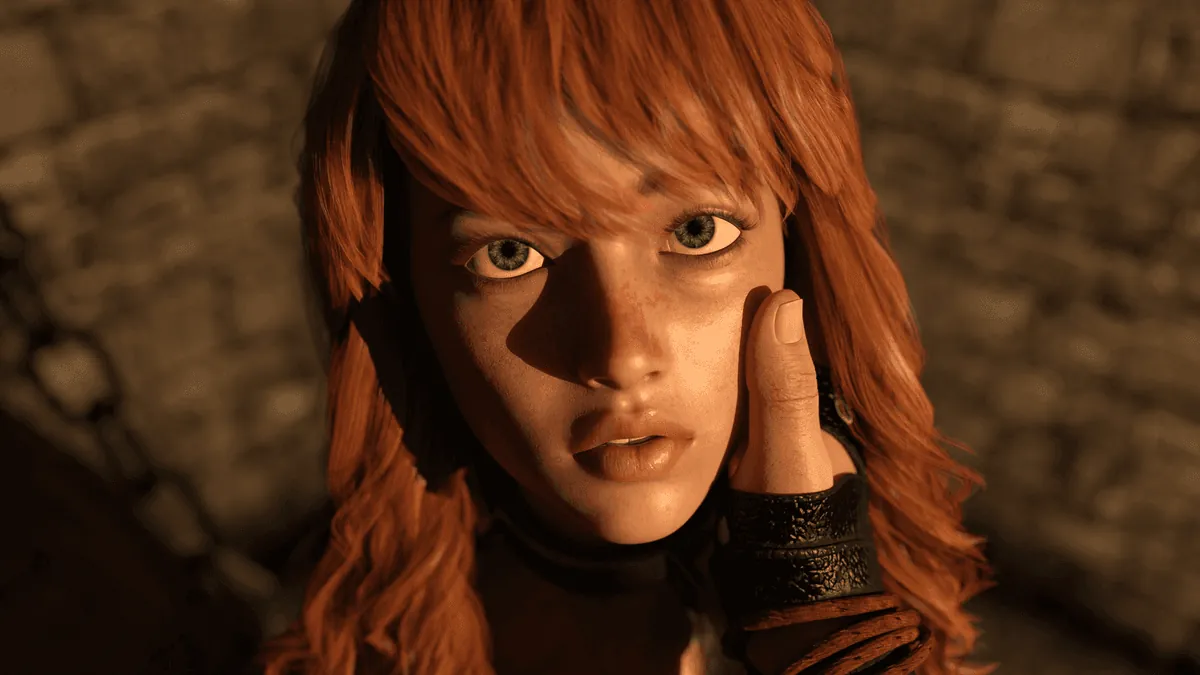
A Failure to Launch
Play A Failure to Launch
A Failure to Launch Screenshots
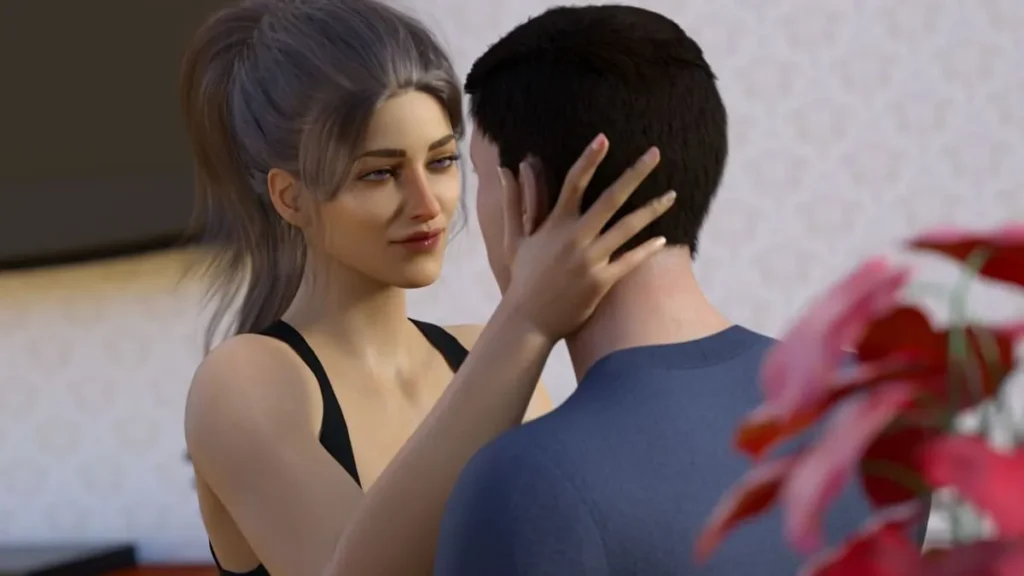








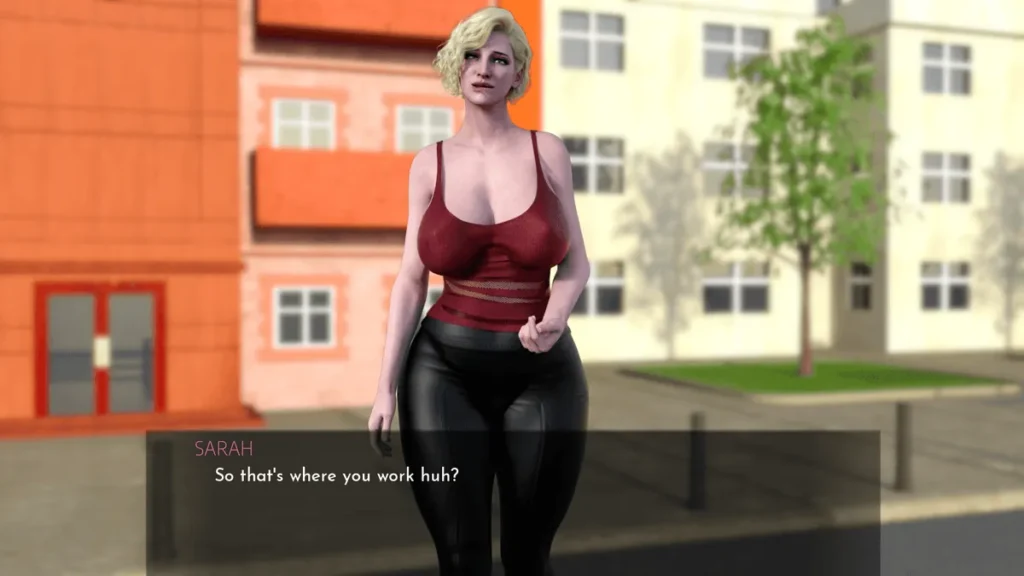
A Failure to Launch review
Discover how this roguelike porn game turns every failure run into gallery gold and permanent upgrades
If you’ve stumbled on ‘A Failure to Launch’ and wondered why players celebrate losing, you’re about to uncover the secret. This porn game flips the script by making every failure run a gateway to exclusive scenes and permanent upgrades. Unlike traditional games where losing is frustrating, ‘A Failure to Launch’ rewards you with gallery content and diceroll escape boosts. Whether you’re battling dominant amazons or dodging orc encounters, the core loop thrives on embracing the loss. Ready to see why this roguelike porn game is hooked players worldwide with its bold narrative and steamy QTE battles?
How ‘A Failure to Launch’ Turns Failure Runs Into Gallery Gold
What Is a Failure Run in ‘A Failure to Launch’ Porn Game?
I still remember my first attempt. I walked into a dungeon corridor, felt confident, and thought I had the situation handled. Then an orc brute knocked me to the ground before I could even blink. My screen faded, and I sighed, expecting a frustrating “game over” screen. But then something unexpected happened: A Failure to Launch showed me a full scene of that orc encounter, added it to my permanent gallery, and gave me gold to spend on upgrades. That moment changed how I view losing in games forever.
A failure run in A Failure to Launch porn game isn’t a punishment. It’s a reward mechanism disguised as defeat. Each time you fail—whether through bad luck in a diceroll escape or missing a button prompt in QTE battles—you get a new piece of content added to your gallery collection. The game flips the traditional roguelike formula on its head. Where other games might punish you with losing progress, this one pays you for every mistake.
The loop works like this: you enter a room, encounter a monster, attempt to escape or fight, and either succeed or fail. Success lets you continue deeper into the dungeon. Failure triggers a unique scene specific to the monster that caught you. That scene becomes part of your permanent gallery immediately. No re-rolling. No grinding for luck. Just immediate content for your collection.
Why Diceroll Escapes and QTE Battles Define Your Loss
The game gives you two main tools to avoid failure: diceroll escapes and QTE battles. Both are designed to give you a fighting chance while making failure feel fair.
Diceroll escapes work on a percentage system. When you try to flee a room, a die appears on screen with your current escape chance displayed. Early in the game, that number might sit around 30%. You roll, and most times you lose. That low percentage is intentional. The game wants you to fail early so you build your gallery and earn gold. As you invest gold into escape upgrades, that percentage climbs. I went from a 30% escape rate to a solid 75% after a few runs. But even then, dice are dice. I still lose sometimes, and that still means more gallery content.
QTE battles are fast button-matching sequences that trigger when you decide to fight instead of flee. A series of icons appear on screen, and you must press the matching buttons in order. Miss one, and the monster catches you. The timing gets tighter with tougher monsters. Early QTE sequences feel forgiving, but later ones demand sharp reflexes. Missing a prompt during an orc encounter triggers a rough scene. Missing against an amazon warrior triggers something entirely different. Each QTE battle failure adds a specific scene to your gallery collection, making every loss valuable.
Here’s the key insight: both mechanics are balanced to produce frequent failure. That’s not bad design. It’s clever pacing. The game knows that failure drives gallery growth. So it makes sure you encounter both diceroll escapes and QTE battles often enough to keep your gallery collection expanding every run.
How Monster Encounters Shape Every Failure Scene
Not all failures are equal. Monster encounters in A Failure to Launch porn game determine the type of scene you receive upon defeat. Each monster type has multiple possible outcomes, which means replay value stays high even after dozens of runs.
Let me walk through examples:
When I failed against an orc warrior, I got a scene dominated by raw strength and chaos. The animation style matched the orc’s personality. When I lost to an amazon warrior, the scene came from a place of control and teasing. The amazon didn’t overpower me physically. She outsmarted me. That difference in tone makes each monster encounter feel fresh.
The variety in monster encounters creates a strong incentive to fail against different enemies. If you only ever fight one monster type, you only fill that section of your gallery collection. To complete the whole set, you must encounter and lose to each monster multiple times. That means embracing different failure styles: using diceroll escapes against agile enemies and attempting QTE battles against heavy hitters. The game rewards experimentation.
Below is a breakdown of how success and failure compare across each gameplay phase:
| Phase | Action | Success Result | Failure Result |
|---|---|---|---|
| Room Encounter | Attempt escape or fight | Continue dungeon run | Scene added to gallery, run ends |
| Between Runs | Spend gold on upgrades | Higher escape percentage | No changes (save gold) |
| Meta Goal | Fill gallery collection | Completion milestone | Missing scenes remain |
This table shows the core loop. You fail a room encounter to earn gold and gallery content. You spend gold between runs to improve your escape chance. And your meta objective is simply completing your gallery collection. The game doesn’t punish you for losing. It rewards you with permanent progress.
The mindset shift here matters. Instead of chasing victory in every run, I started chasing failure against specific monsters. I’d deliberately enter rooms knowing I might lose, just to see what scene would appear. That approach made A Failure to Launch feel less like a challenge and more like a discovery engine. Every failure run became a step toward completing my gallery collection, not a setback.
By the time I had collected scenes from orcs, amazons, and several other monster types, I understood the game’s design philosophy. A Failure to Launch isn’t about winning. It’s about losing in the best possible way. Each roguelike porn game run builds toward a complete gallery, and every loss adds a new piece to that puzzle. Embrace the failures, and you’ll see the full picture sooner than you think.
In ‘A Failure to Launch,’ losing isn a setback—it’s the key to unlocking your full gallery and boosting escape chances. By embracing failure runs, you gain permanent upgrades and exclusive scenes from orc battles to amazon encounters. This roguelike porn game thrives on turning frustration into fun, proving that every loss adds value. Ready to start your next run? Dive into ‘A Failure to Launch’ today and see how embracing the fall makes the journey unforgettable.